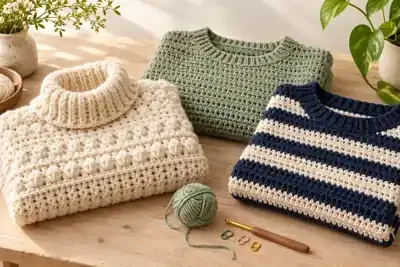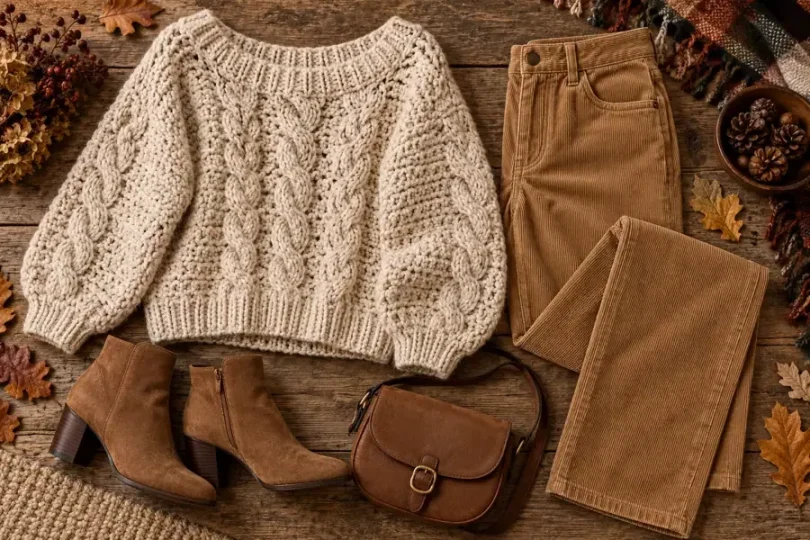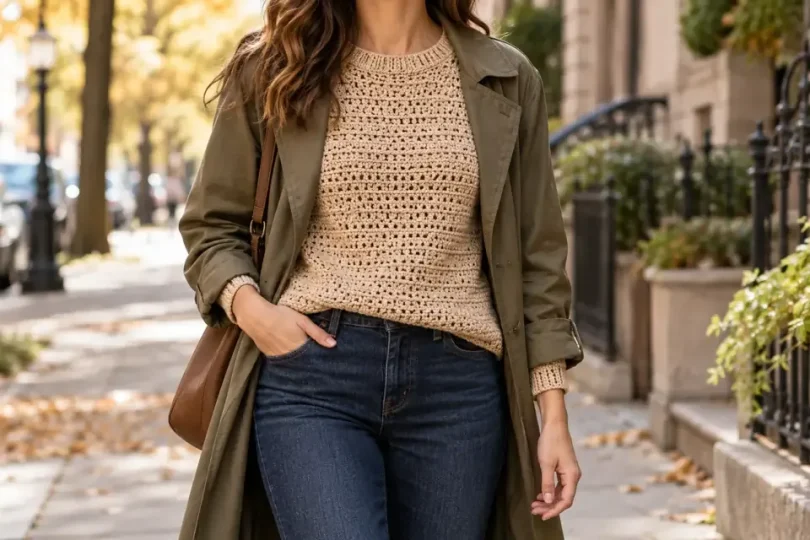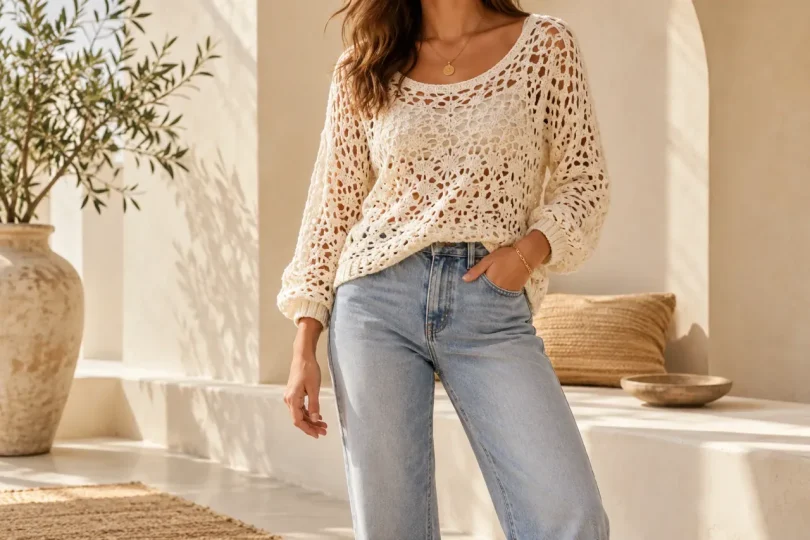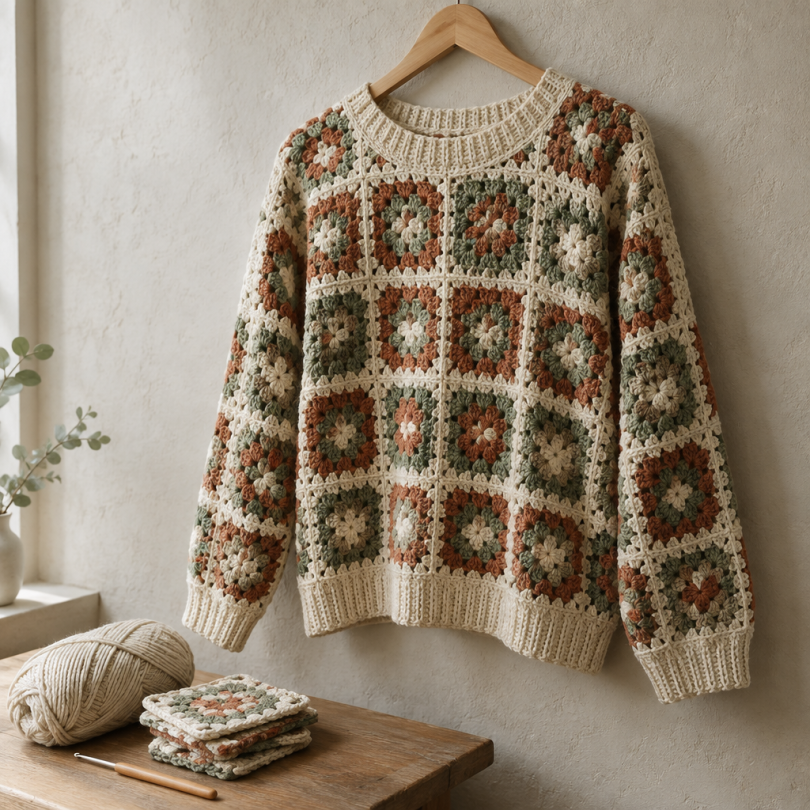
A sweater made from granny squares can look completely different depending on how the motifs meet, which colors repeat, and how the garment sits on the body. One version may feel quiet and coordinated; another may lean into a lively patchwork look.
That range makes a granny square crochet sweater an appealing wearable project, but it also means there are several design choices to consider before choosing a pattern. The best direction depends on the look you enjoy, the comfort you want, and where you expect to wear it.
Thinking about shape, layout, yarn, and color as a connected set can make pattern browsing easier. Instead of choosing squares first and solving the garment later, you can compare complete project directions and find one that suits your wardrobe and making preferences.
Quick Answer
The right granny square crochet sweater style comes from matching motif layout, color palette, yarn, and garment shape to your preferred look, comfort, and intended use. Choose a pattern whose construction and sizing guidance you can follow, then check the finished fabric with a swatch so the squares create a wearable garment rather than just an attractive collection of motifs.
Key Takeaways
- Motif arrangement shapes a sweater’s character, from an even patchwork surface to a design with larger focal panels.
- Tonal, limited-color, and high-contrast palettes can make the same square pattern feel coordinated, graphic, or lively.
- Yarn fiber, yarn weight, and motif size affect the fabric’s drape, texture, warmth, and overall weight.
- Body and sleeve proportions, ease, and neckline influence comfort just as much as the square design does.
- Borders, cuffs, and outfit layers can help a granny square sweater feel suited to different occasions and seasons.
What Makes a Granny Square Crochet Sweater Distinctive?
A granny square sweater uses separate crochet motifs as visible building blocks. Makers join the squares into panels or assemble them directly into a garment, creating a patchwork surface that differs from a sweater worked continuously in rows or rounds.
The repeated shapes give the fabric a clear rhythm. Depending on the pattern, each square may stand out through its own colors, or repeated colors may help the motifs blend into a larger visual arrangement. The joins also become part of the design: they can create a neat grid, emphasize contrast between squares, or add subtle texture.
This construction gives the garment a handmade character that comes from both the motifs and the way they connect. Small differences in tension can make individual squares feel distinct, so consistent sizing matters when a pattern relies on a tidy grid. A sweater with a mix of colors and visible joins tends to read as lively patchwork, while a restrained palette can make the same construction feel more unified.
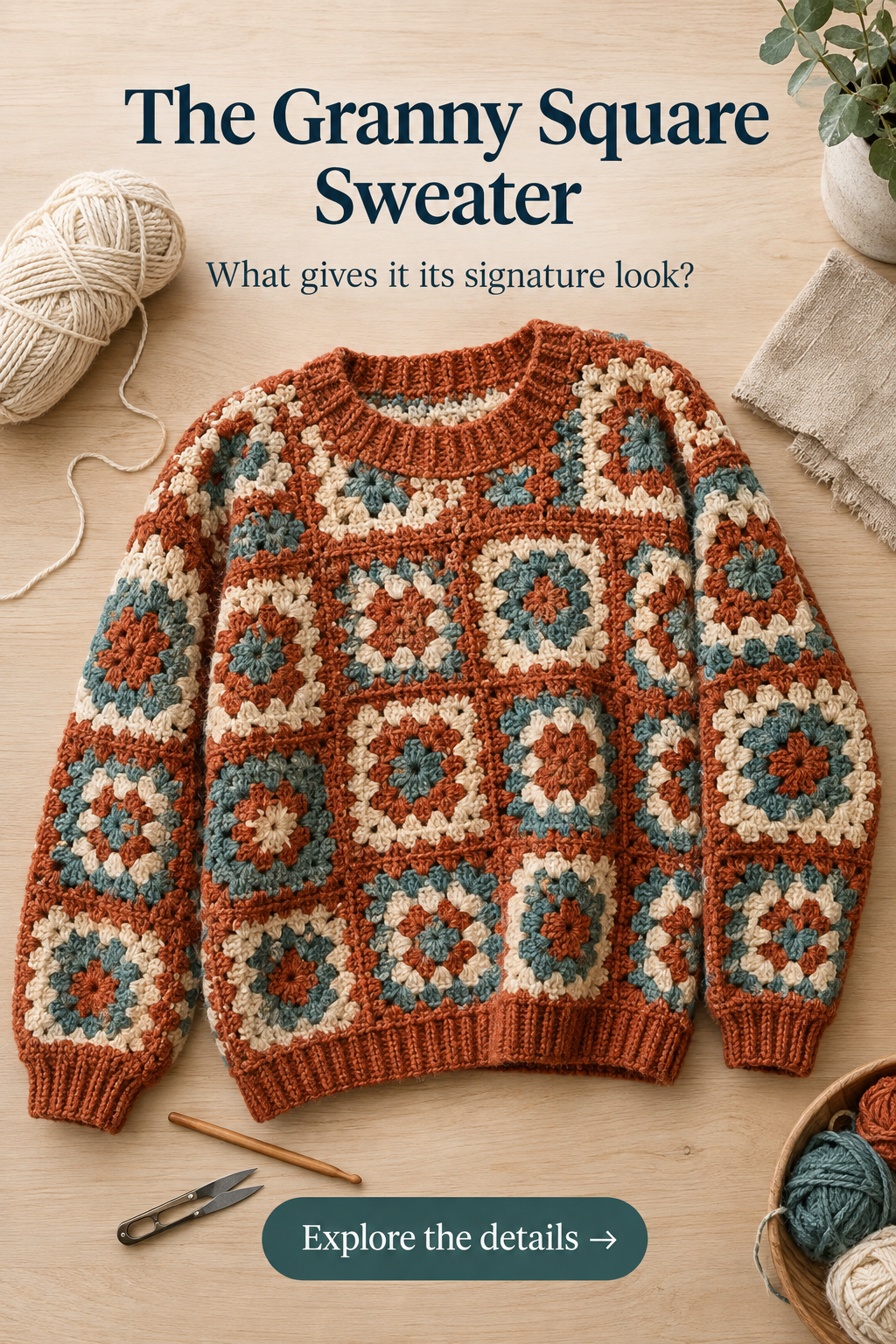
That distinctive texture is worth considering alongside wearability. Motif-based fabric may behave differently from a continuous piece, especially around seams, shoulders, and underarms. A well-chosen pattern accounts for those joins as part of the garment, not merely as a way to assemble attractive squares.
Choose a Sweater Shape Before Planning the Squares
Start by deciding what kind of garment you want to wear. A pullover creates a straightforward outfit layer, while a cardigan-like design opens at the front and may use motifs or panels arranged around a central opening. A cropped shape can emphasize the waist and pair naturally with higher-rise bottoms; a longer or relaxed shape offers more coverage and a looser look.
The shape affects how many motifs fit across the body and where the pattern places them. A large front or back panel may suit a simple pullover, while a cardigan needs planning around the front edges, opening, and button or fastening area if the pattern includes one. Sleeve construction also matters: a dropped shoulder, fitted sleeve, or roomy sleeve changes where panels meet and how the sweater moves.
Neckline and ease help determine comfort. A crew neck, scoop neck, or open front creates a different feel at the upper body, and the pattern’s neckline finishing influences the final appearance. More ease gives room for layering and a relaxed silhouette; closer ease creates a neater fit but leaves less room over other clothes.
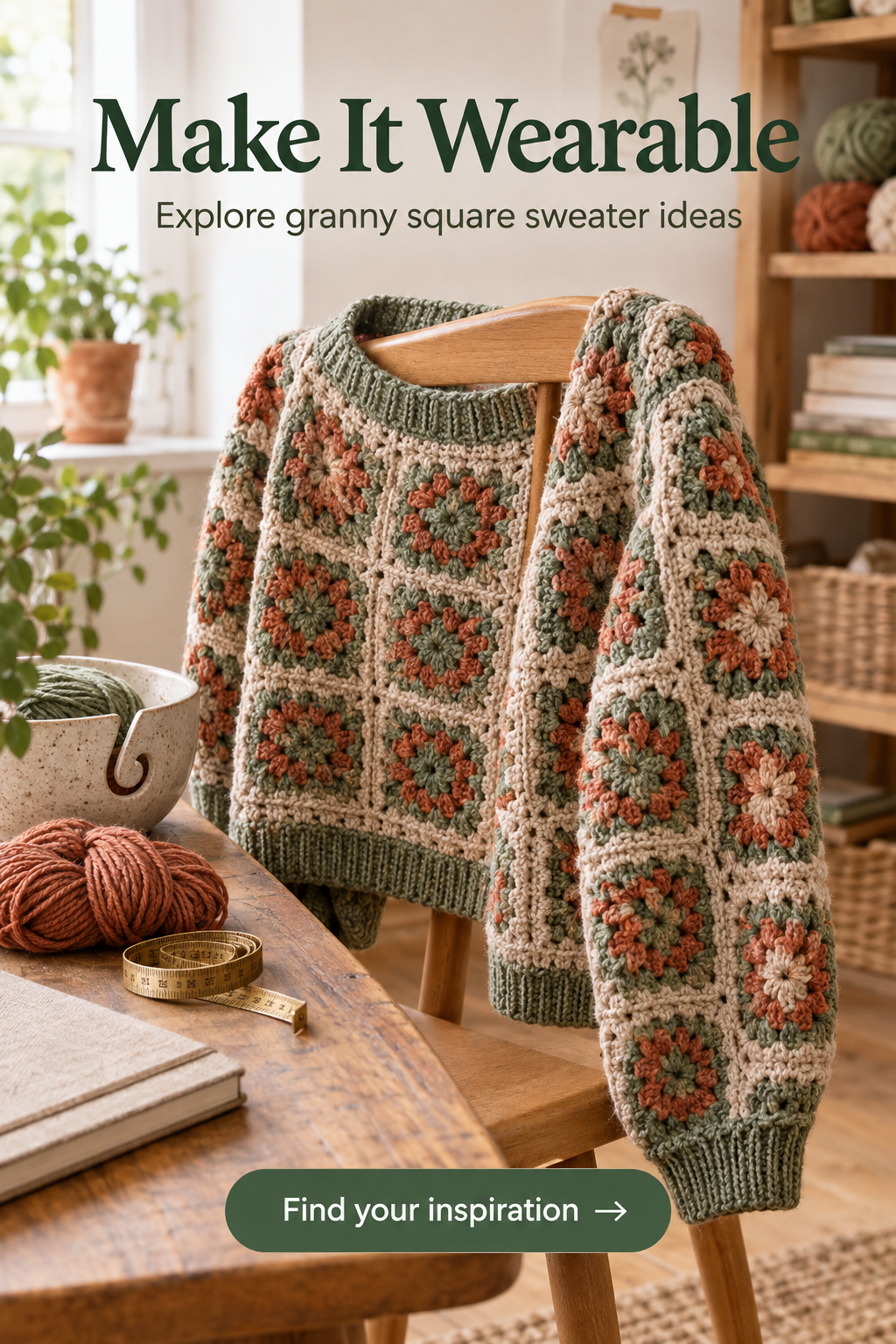
Choose the intended shape before settling on a square count or color sequence. That order makes it easier to evaluate whether the pattern’s motif placement supports the proportions and practical use you have in mind.
Explore Motif Layouts and Square Arrangements
An all-over square construction creates a consistent patchwork effect across much of the garment. It can be a good match if you want the motifs to define the sweater from front to back, but it calls for planning because the body, sleeves, and joins must work together. Check how the pattern handles edges and shaping rather than assuming every square will fit wherever needed.
A design with larger front or back panels gives the eye a more obvious focal area. Smaller or simpler motifs elsewhere can balance that feature, while a concentrated panel may make the sweater feel more graphic. This layout can require careful placement so the focal area sits where you want it and lines up with the garment’s construction.
Contrasting borders can frame panels or create a clear outline around individual squares. They help define the grid, but strong border colors can also add visual weight. Mixed motif placement—such as combining different square designs or alternating motif sizes—brings variety, though it needs a plan to keep the whole garment balanced.
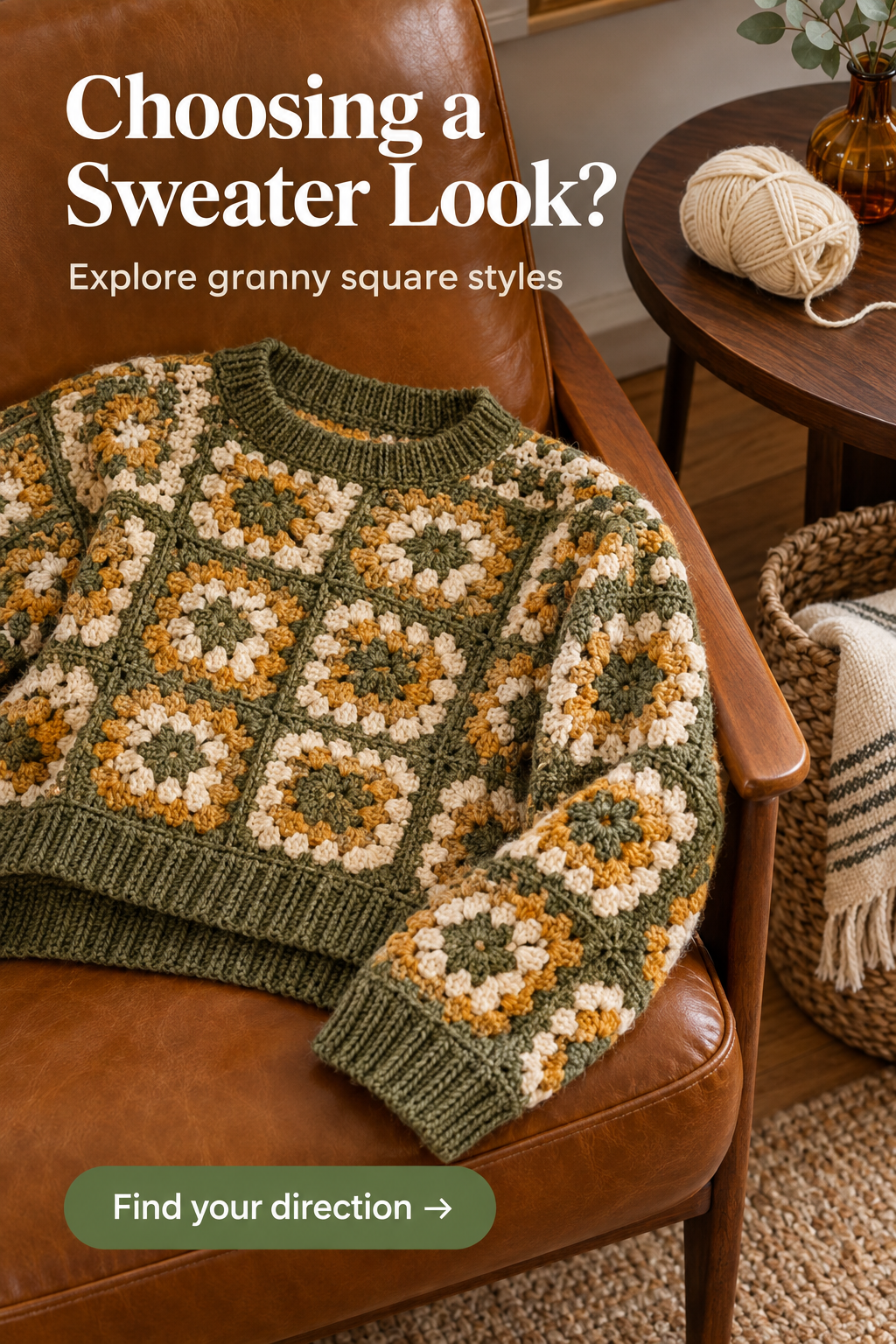
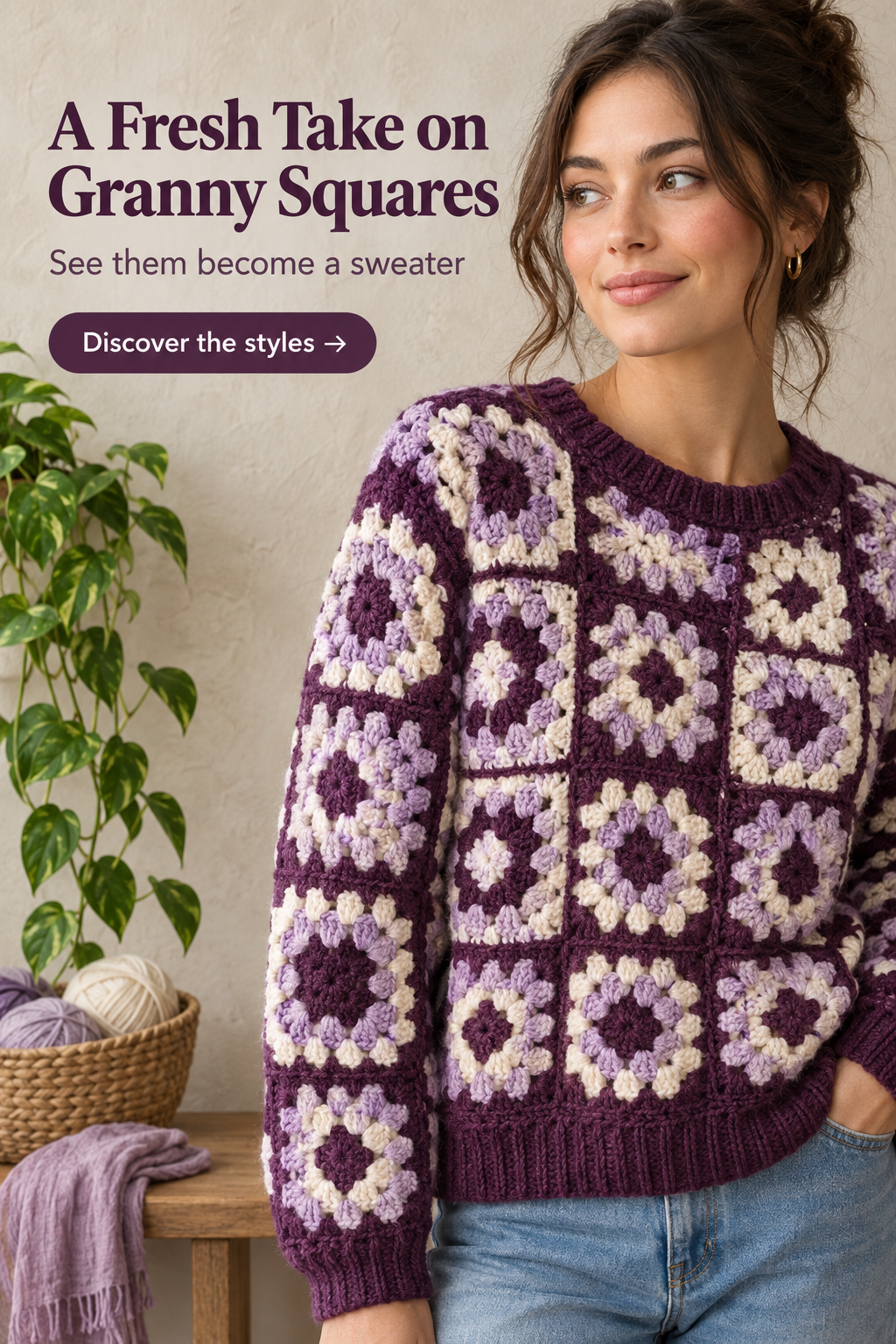
Before choosing a layout, look at the pattern’s assembly diagrams or finished-project images if available. Consider where the seams will fall, how the motifs meet at the shoulders and sides, and whether sleeves continue the same rhythm as the body. The arrangement changes both the finished look and the work involved in planning and joining.
Build a Color Palette That Sets the Mood
Color can shift the personality of a sweater even when the motif shape stays the same. A tonal palette uses shades that sit close together, such as several related neutrals or colors within one family. It can make the patchwork feel calmer and let texture or the square pattern take the lead.
A limited-color palette gives each shade a clear role without making every square a separate color decision. Repeating a small group of colors across the garment helps link the front, back, and sleeves. High-contrast combinations create sharper visual separation between motifs and can make the grid feel bold, lively, or graphic.
Plan colors across the whole garment rather than making each square independently. A simple chart, sketch, or arrangement of yarn samples can help you see whether one color gathers in a single area or spreads evenly. Repetition often creates cohesion, while a planned accent color can draw attention without appearing by chance.
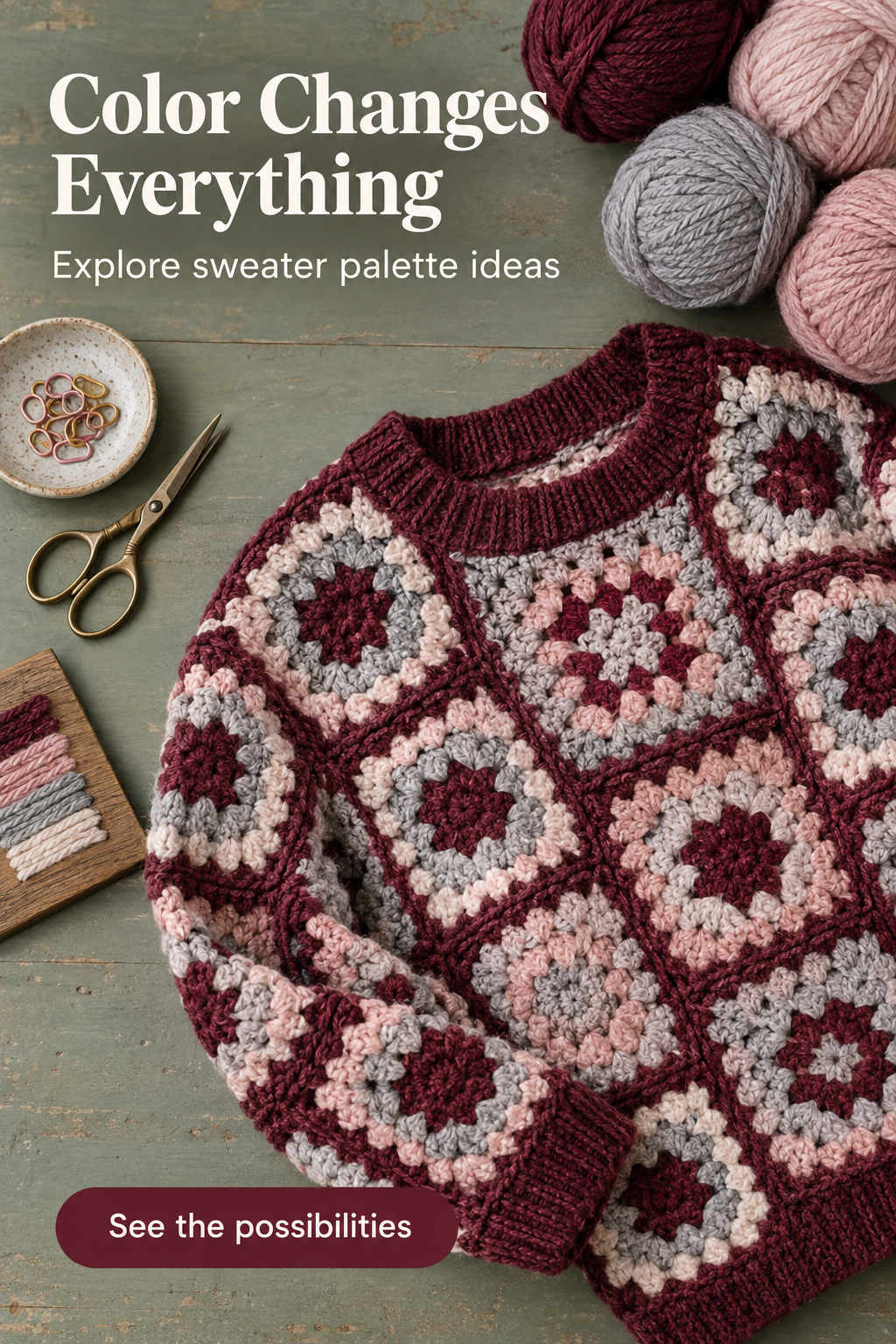
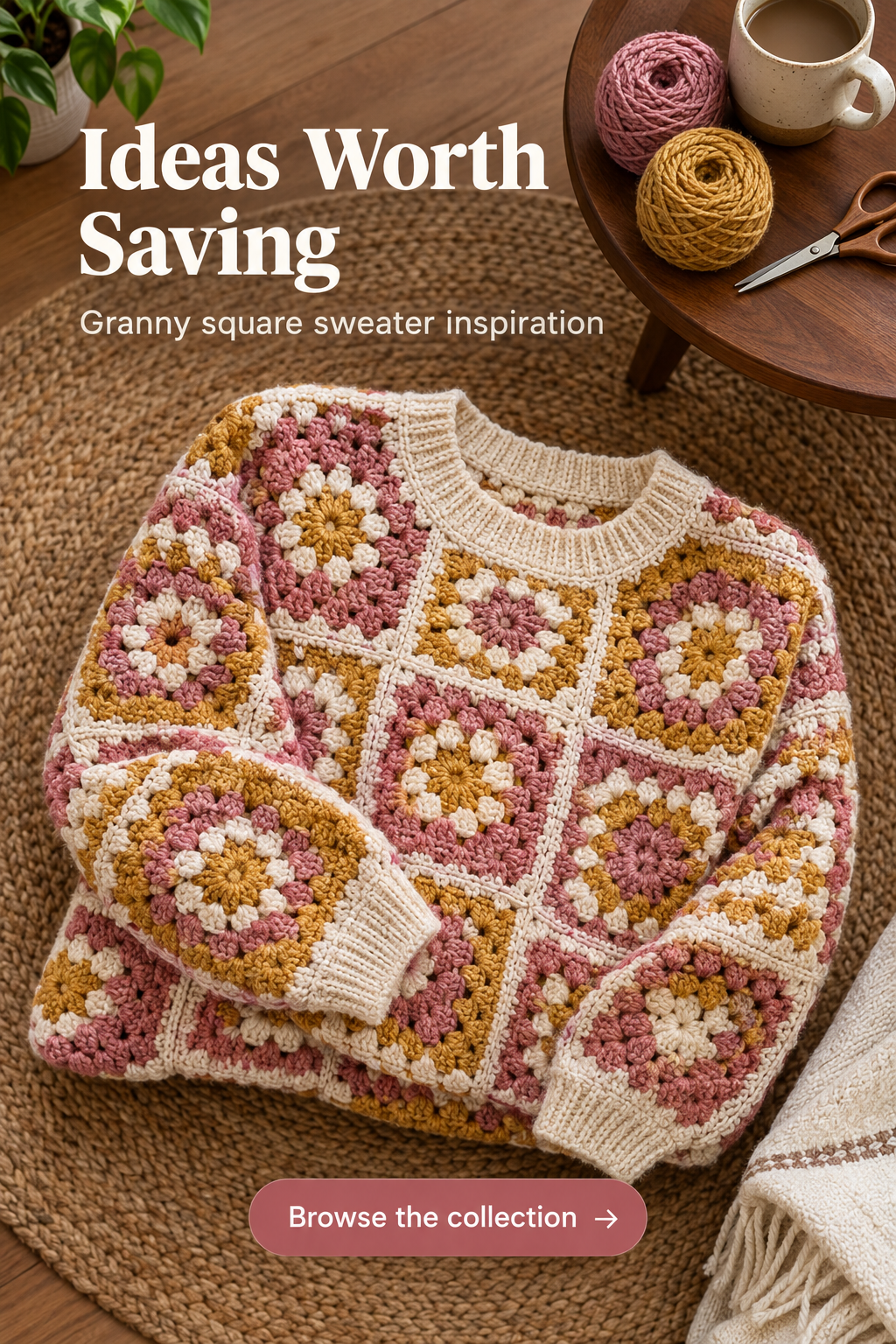
Use the pattern’s construction to guide distribution. If the sweater has separate panels, plan the colors for each panel and then compare them together. Check that the sleeves relate to the body, and decide whether you want mirrored placement, an even scatter, or a deliberately varied patchwork effect. There is no single correct palette; the useful test is whether the overall balance matches the mood you want to wear.
Select Yarn and Motif Scale for the Fabric You Want
Yarn choice affects more than color. Yarn weight and fiber characteristics influence how the fabric hangs, feels, and holds warmth. A heavier yarn can create a thicker, weightier garment, while a lighter yarn may produce a less bulky fabric; the result also depends on stitch pattern, hook, tension, and construction.
Fiber can change the feel and behavior of the finished sweater. Some yarns feel warmer or more structured, while others may feel lighter or drape more easily. Since fibers behave differently, use the pattern’s yarn recommendations as a starting point and check whether the suggested substitutions suit the fabric you want rather than choosing by color alone.
Square size also changes the look and handling of the project. Smaller motifs create more joins and a busier grid, while larger motifs make the individual squares more prominent and may reduce the number of pieces to assemble. Neither choice guarantees a particular drape; yarn, stitch density, and the wearer’s measurements all contribute.
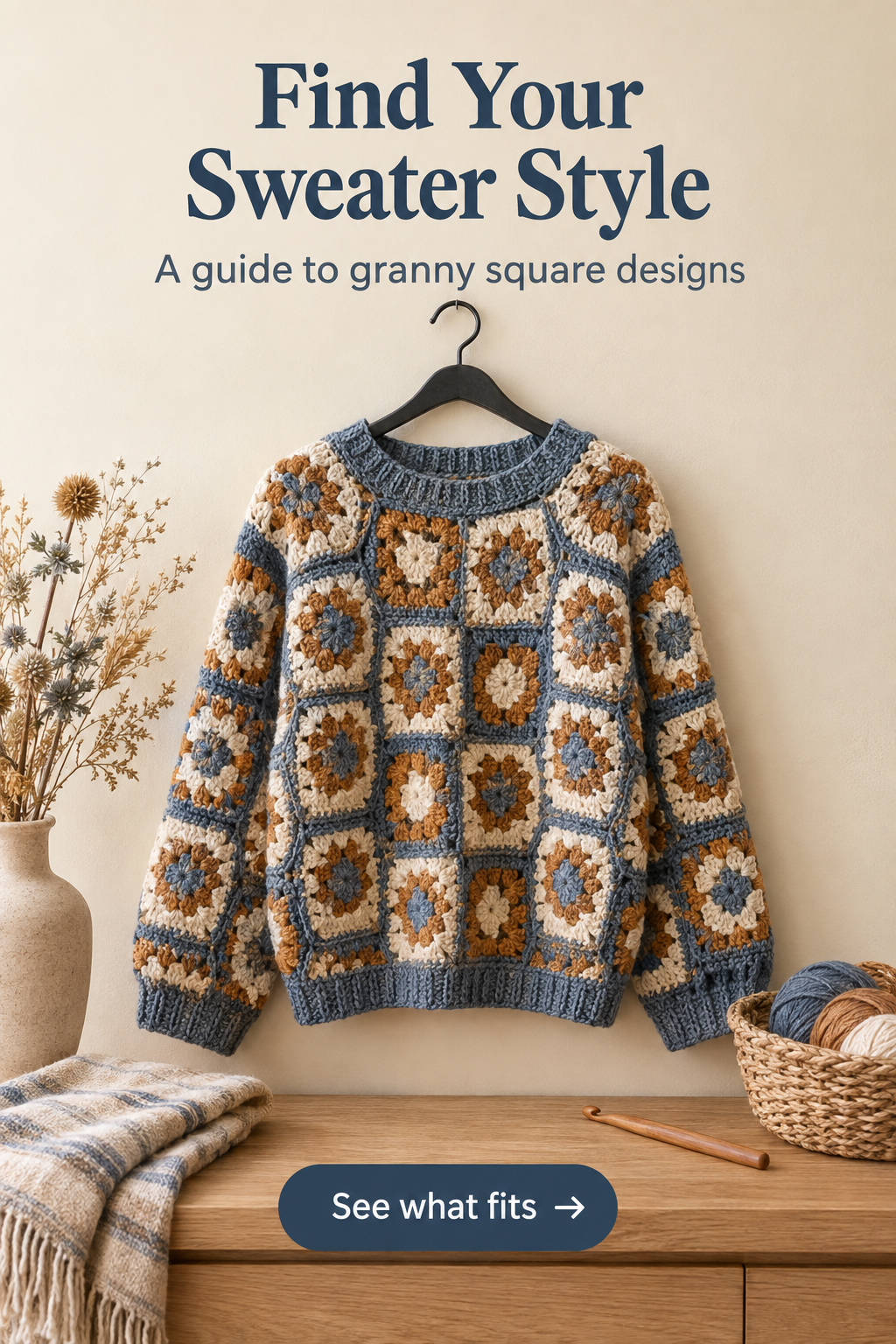
Make a swatch in the recommended stitch and yarn when possible, and follow the pattern’s guidance on gauge. If you plan to substitute yarn or change motif scale, test the fabric before committing to a full sweater. A swatch can reveal whether the squares feel too stiff, heavy, loose, or open for your intended garment, and it helps you compare color combinations in the actual yarn.
Plan for Fit, Construction, and Comfortable Movement
Use the pattern’s sizing information to choose a size rather than relying only on the label you usually wear. Measure the parts the pattern asks for, such as chest, body length, or sleeve length, and compare those numbers with the finished-garment measurements. Then decide whether you prefer closer ease or extra room for a relaxed fit and layering.
Proportions can change the way motif placement reads. A shorter body, longer body, or wider sleeve may call for a different number or arrangement of motifs, depending on the pattern. Avoid changing square counts casually: adding or removing a motif can affect panel dimensions, shoulder placement, and how the sleeves attach.
Construction details matter for movement. Seams or joins at the shoulders and underarms need to align with the intended shape, and dense joins can feel different from more flexible fabric. Follow the pattern’s assembly order and check how panels sit before completing the final seams, especially if the instructions allow adjustments.
Try to assess the garment as a whole, not just the flat panels. Consider whether you want to reach, bend, and layer comfortably, and whether the neckline and sleeve opening suit your preferences. If the pattern provides schematic drawings or finished measurements, use them alongside the size chart. Confirming those details before you begin is easier than discovering a fit issue after joining every square.
Make the Sweater Work for Different Seasons
A granny square sweater can lean lighter or cozier, but no single design will suit every climate or indoor setting. Fiber, yarn weight, stitch density, and the amount of body coverage all affect how warm the garment feels. Open or airy motifs may feel different from densely worked squares, yet the surrounding joins and layers also influence the finished fabric.
For a lighter wardrobe layer, consider a pattern with a less bulky fabric, shorter sleeves, or a cropped body if those proportions suit your style. A cardigan-like opening can make layering flexible, while an easy pullover can work over a simple base layer. Check the pattern’s yarn suggestions and finished measurements rather than assuming a particular motif automatically creates a lightweight garment.
For a cozier look, a denser fabric, longer sleeves, or more body coverage may feel more substantial. The choice of fiber and the clothes worn underneath can also change comfort. If you plan to wear the sweater over shirts or dresses, account for that extra layer when choosing ease and sleeve proportions.
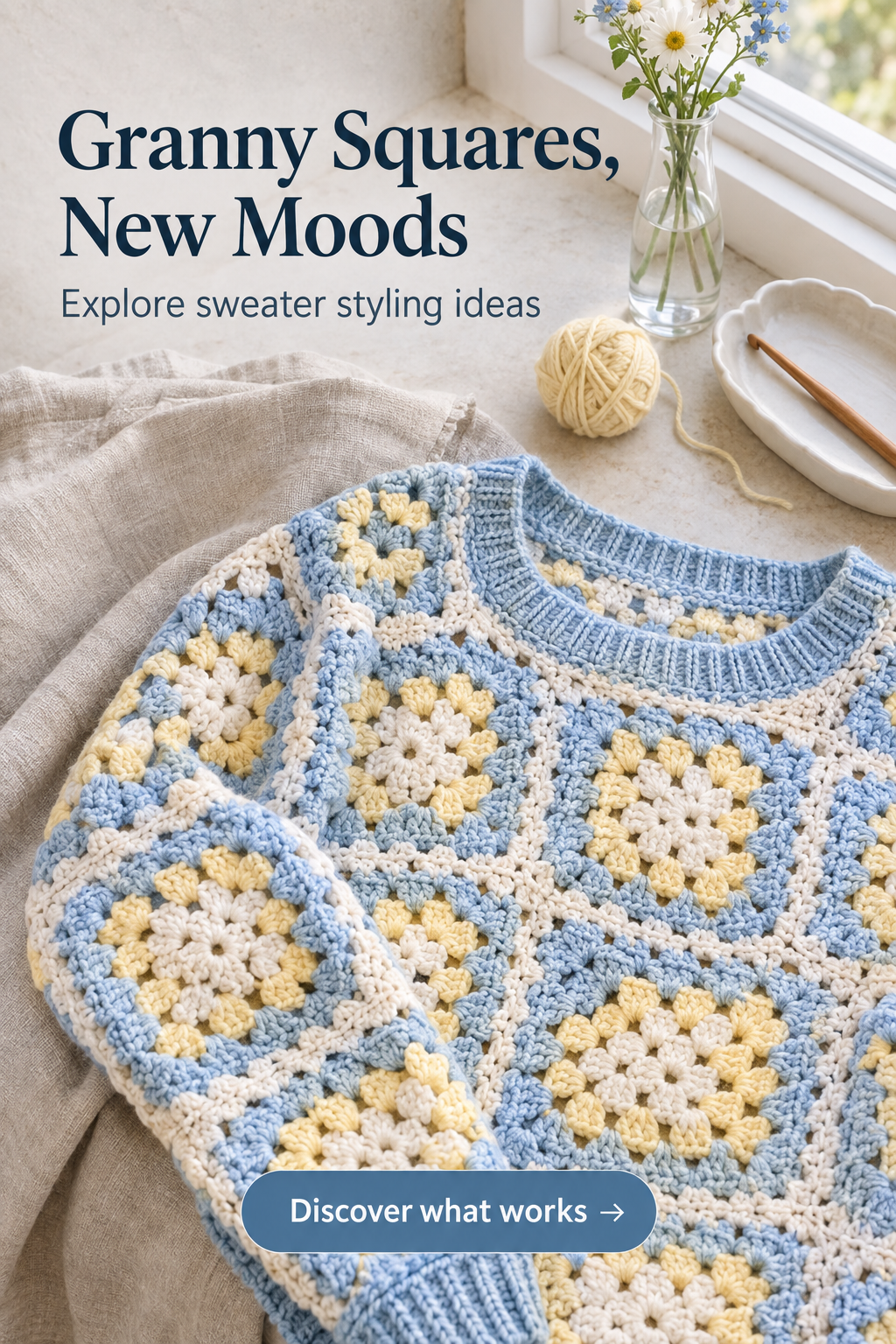
Styling helps adapt a garment to different occasions. A colorful patchwork pullover can become the focal point with simple separates, while a tonal design may sit comfortably alongside other textures. Think about whether you want the sweater to be a statement layer or a quieter part of an outfit, and choose yarn and shape with that use in mind.
Compare Project Styles and Choose a Pattern Direction
Before selecting a pattern, compare the finished look with the work involved. A repeated all-over grid may appeal if you like an even patchwork surface, while a panel-focused design may suit you if you want a clear focal area. A high-contrast palette makes motifs stand apart; a tonal or limited palette can offer a more coordinated effect.
Next, consider your comfort with the construction. Look for clear instructions on motif making, joining, shaping, and finishing. A pattern that explains how the pieces become a garment can help you understand the project’s sequence before you start. If the design uses multiple motif types or unusual placement, check that the instructions show how those pieces fit together.
The pattern’s format and detail matter too. Confirm whether it provides written instructions, diagrams, photos, or other guidance, and check what sizing information it includes. A pattern can be visually appealing yet a poor match if its instructions leave key assembly or fit decisions unclear for your experience level.
Finally, picture the sweater in your wardrobe. Will you wear it as a relaxed layer, a statement piece, or a practical pullover? Match that use to the shape, coverage, yarn, and palette. A short comparison list can help: note the look you prefer, the construction you feel ready to tackle, the available sizing guidance, and the clothes you would pair with the finished piece.
| Design choice | Overall effect | Planning considerations |
|---|---|---|
| Tonal palette | Coordinated, with emphasis on texture and motif shape | Repeat related shades across panels and sleeves to keep the garment unified |
| High-contrast palette | Bold, with individual squares clearly defined | Distribute contrast deliberately so focal colors do not gather unexpectedly |
| Smaller motifs | A finer, more detailed grid with more joins | Plan the number and placement of pieces, and check that joins remain comfortable |
| Larger motifs | More prominent squares and a broader patchwork effect | Check how motif dimensions fit the body, sleeves, and panel proportions |
| Lighter-feeling fabric goal | A less bulky garment suited to lighter layering | Check yarn, stitch density, coverage, and pattern guidance together |
| Cozier fabric goal | A more substantial layer with greater coverage | Consider fabric weight, sleeve and body length, and room for layers underneath |
Finish and Style the Sweater for a Cohesive Look
Finishing details can make the garment feel intentional. A border around the body or cardigan opening can frame the motifs, while cuffs can give sleeves a defined edge. A neckline treatment may blend into the square layout or provide a simple outline; choose one that works with the garment’s proportions and the style you want.
Consistent finishing also helps the sweater look balanced. Check that borders, cuffs, and neckline edging use compatible colors and do not overpower the motifs. If your squares already have strong contrast, a restrained edge may let them remain the focus. A more noticeable border can complement a quieter palette or reinforce a patchwork outline.
For everyday outfits, pair a bold sweater with simpler pieces so the colors and motifs have room to stand out. A tonal sweater can work with other textures or layered clothing without competing as strongly. Consider the sweater’s length and ease when choosing what to wear underneath, especially if you want a clean outline rather than several bulky layers.
Styling can also shift the mood without changing the garment. Wear a pullover as the main layer, or use an open-front design over a shirt or dress. For cooler conditions, add layers that fit comfortably under the sleeves and body; for milder settings, wear the sweater over a lighter base. Let the motif scale and palette guide the rest of the outfit rather than trying to match every color exactly.
Common Mistakes
- Choosing colors square by square without checking the whole garment: A set of attractive individual motifs can still produce an unbalanced sweater if one shade clusters unexpectedly. Map colors across the front, back, and sleeves before joining, then adjust the distribution while the pieces remain easy to rearrange.
- Selecting yarn or motif scale without considering finished fabric weight and drape: A yarn that looks appealing in a single square may create a fabric that feels too heavy, stiff, or open for the intended shape. Make a swatch and evaluate it as garment fabric before committing to all the motifs.
- Beginning construction before checking measurements, fit preferences, and pattern sizing guidance: Choosing by size label alone can lead to a sweater with less or more ease than you want. Compare your measurements with the pattern’s finished dimensions and decide how you plan to layer it before starting.
- Treating every motif arrangement as interchangeable: A layout designed for a broad front panel may not translate neatly to a cardigan opening or a different sleeve shape. Follow the pattern’s assembly plan and account for panel edges, shoulders, and underarms before moving squares around.
Frequently Asked Questions
How can I estimate how many granny squares a sweater project will need?
Use the pattern’s layout or schematic to count the motifs assigned to the body and sleeves, and check whether it includes partial motifs or separate shaping pieces. If you are adapting a design, compare a blocked square’s dimensions with the panel measurements, then plan each panel separately rather than guessing from the sweater’s overall size.
Can granny squares be joined as I go instead of sewing them together afterward?
Yes, some patterns use a join-as-you-go method, but the joining technique and sequence must suit the design. Follow the pattern’s instructions because joining as you crochet can affect the visible seams, flexibility, and assembly order; it may not work as a direct substitute for a specified sewn join.
Should granny squares be blocked before assembling a sweater?
Blocking can help motifs reach a more consistent size and shape, which makes panel assembly easier. Check the yarn label and pattern guidance first, since appropriate blocking methods vary by fiber; let the squares dry fully before joining so the finished pieces keep their intended dimensions.
How can I keep a multicolor granny square sweater from looking visually busy?
Limit the number of colors or repeat the same small palette throughout the body and sleeves. You can also keep the motif design consistent and reserve the strongest contrast for selected squares, so the eye has areas of repetition as well as focal points.
What should I check in a pattern before choosing a granny square sweater project?
Review the size range, finished measurements, ease guidance, yarn recommendations, and information about motif counts and assembly. Also check what instruction formats the pattern provides—such as written steps, diagrams, or photographs—and make sure it explains shaping, joins, and finishing at a level you can follow.
Conclusion
A successful granny square sweater balances its patchwork design with the practical details of a garment. Decide how you want it to look and feel, then choose a layout, palette, yarn, and shape that support that direction. A pattern with clear assembly and sizing guidance—and a swatch that suits the intended fabric—can turn a favorite motif idea into a sweater you will be glad to wear.
If you are still comparing ideas, save a few layouts and note what you like about each before choosing a pattern. That small step can make your next crochet project feel more considered from the first square onward.