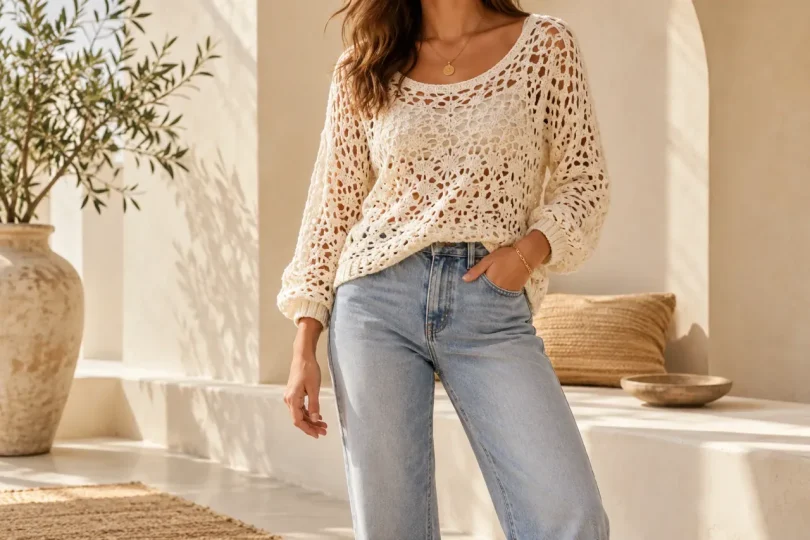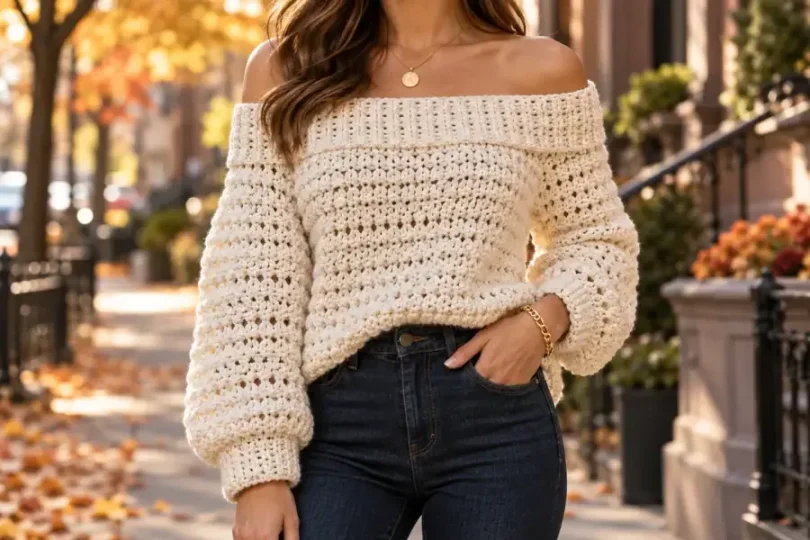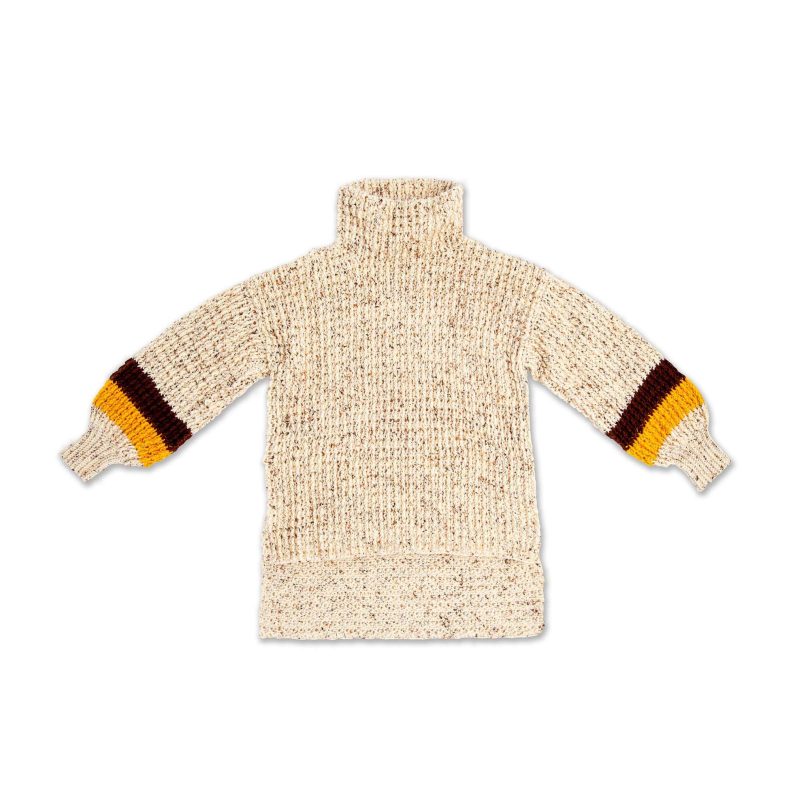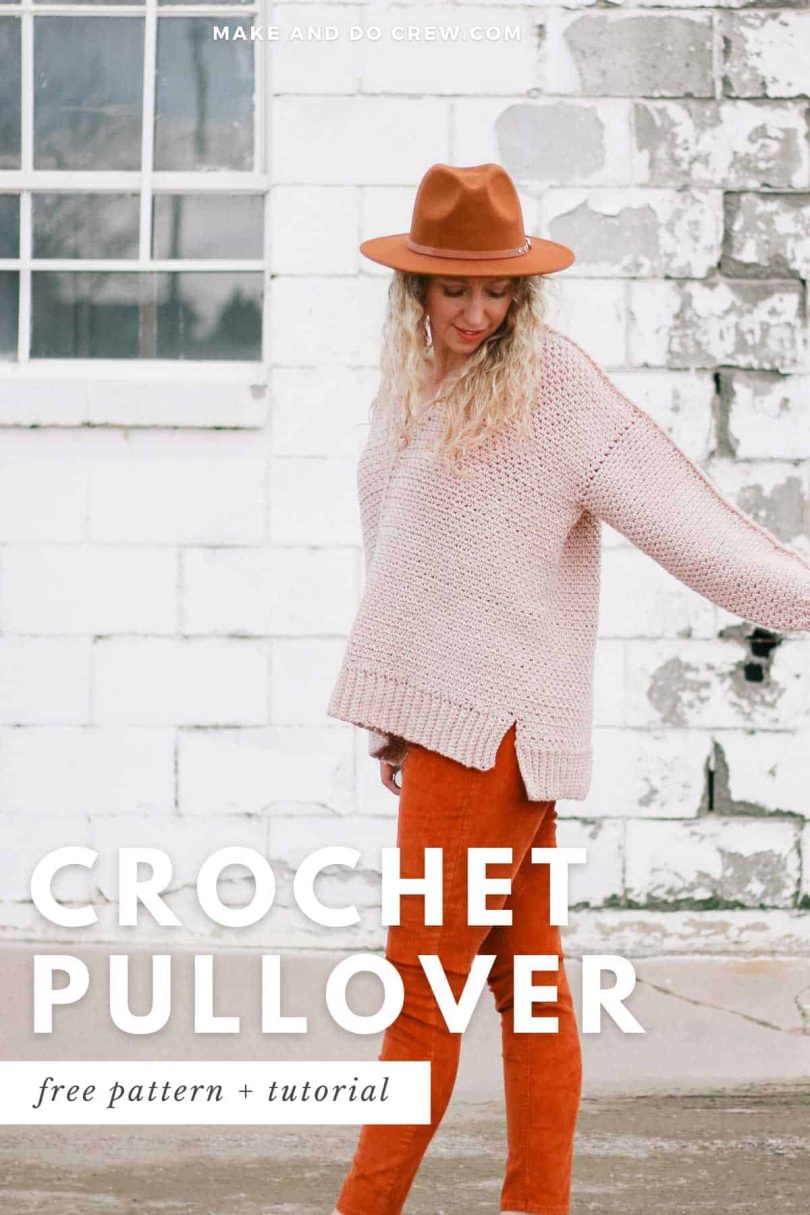
Looking for more than a basic pullover? This second set of 20 free crochet sweater patterns gathers cardigans, a sweater dress, a hoodie, textured designs and several classic neckline options. It gives you a broad range of shapes to compare before you choose your next wearable project.
Every pattern card has a short, original project overview, a credited preview image and a centered button leading to the designer’s original page. Use the original instructions for exact yarn, gauge, sizing, access terms and any corrections. Some pattern publishers offer a paid printable PDF as an optional format.
If you are starting with the first roundup, read 20 Free Crochet Sweater Patterns for Cozy, Handmade Style. For our other sweater collection, see the 20 free Yarnspirations sweater patterns.
This selection was inspired by Crochet 365 Knit Too’s 40-pattern roundup. The notes here are written for our readers, and each pattern button leads to its designer’s original page.
20 More Free Crochet Sweater Patterns
1. A Sweater for Pat

This cardigan has an easy, everyday feel that suits a relaxed autumn layer. Its open-front shape makes it simple to wear over a T-shirt or long-sleeved top without needing a complicated outfit.
Compare the finished chest and sleeve measurements with a cardigan you already own. That quick check helps you choose the amount of ease you want before starting.
2. Everyday Cable Sweater

Cable texture gives this sweater a classic, winter-ready appearance and makes the fabric interesting to crochet. It is a strong option for intermediate makers who want to add a more dimensional stitch pattern to their wardrobe.
Read the cable instructions and any stitch multiple carefully before beginning. Keep a row counter or written notes nearby so the texture remains consistent across the garment.
3. Waffle Side Split Sweater

A waffle stitch creates a pronounced, cozy texture, while side splits add movement and a relaxed hem. The result feels casual and comfortable without looking like a plain rectangle.
Waffle fabric can be dense and yarn-hungry, so check the yardage and swatch before substituting. The side-split length also affects how the sweater layers over trousers or a skirt.
4. Flare Sleeves Sweater

Flared sleeves lend this sweater a softer, more expressive shape. The silhouette can dress up a simple outfit, while the handmade fabric keeps it comfortable and approachable.
Consider sleeve length and width as you choose a size. If you plan to wear the sweater under a coat, check that the flare will fit comfortably at the wrist.
5. Day Date Cardigan

A cardigan with pockets is an easy piece to imagine wearing on repeat. Its relaxed layering style works for an afternoon out or a comfortable day at home, and the pockets add useful function.
Check how the pattern builds the pockets and attaches them before you begin. Mark their placement carefully so both sides sit at the same height.
6. Twilight Button Cardigan

This button-front cardigan balances a polished shape with the comfort of a handmade layer. A button closure makes it easy to wear open or fastened, so it can work across more seasons than a pullover.
Read the button-band instructions and check the finished width across the front. A gauge swatch helps ensure the band lies flat and the buttons meet without pulling.
7. Chunky Patchwork Cardigan
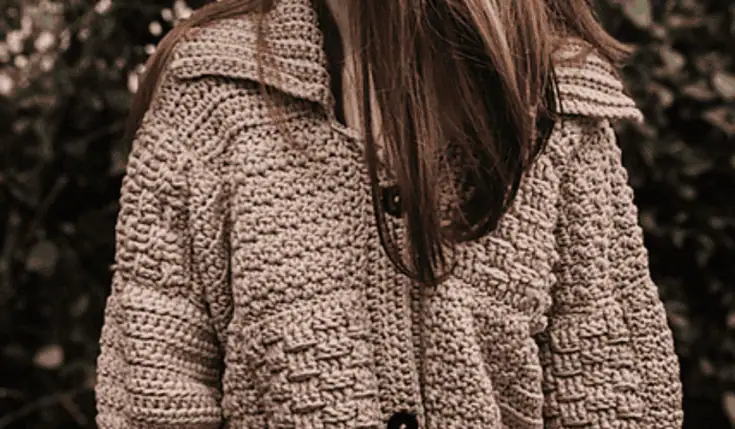
Patchwork squares and chunky yarn give this cardigan a bold, cozy look. It is a natural project for using a carefully planned palette or bringing together compatible leftovers for a one-of-a-kind result.
Sort yarn by weight and fiber before combining scraps. Keep a color map for the squares and check that the finished motifs match in size before joining.
8. Double Cross Sweater Dress

A sweater dress takes the comfort of a pullover and extends it into a single outfit. The cross-detail gives the design a distinctive silhouette, making it an option for crocheters who want a more fashion-forward garment.
Length changes have a big effect on yarn use and drape. Check the designer’s measurements and shaping instructions before extending the body or altering the fit.
9. Crochet V-Neck Sweater

A V-neckline offers a classic alternative to a crew neck and works well over a collared shirt or a simple camisole. This design is worth exploring if you want a sweater with a neat, versatile neckline.
The neckline shaping is the key detail to review. Follow the size-specific instructions and check the front depth against your preference before making any adjustments.
10. Long Crochet Duster Cardigan

A long duster cardigan adds movement and coverage without closing like a coat. The simple layering shape makes it easy to wear with jeans, leggings, or a dress, and it can be a satisfying step up from small crochet accessories.
Long garments use more yarn and can stretch with wear. Compare the pattern’s finished length with your height and pay attention to the recommended yarn so the fabric drapes rather than becoming heavy.
11. Easy Crochet Long Cardigan

This relaxed long cardigan is designed as a light extra layer, with a straightforward silhouette that can work across casual outfits. Its easy shape is a good fit for makers who prefer simple construction over intricate stitch patterns.
Read the assembly steps before starting and check the sleeves and body against your preferred fit. A swatch is especially useful when substituting yarn, because drape matters in a long open-front garment.
12. Sherpa Crochet Hoodie

A hoodie brings a familiar sporty shape into crochet, while a plush or sherpa-like texture makes it especially cozy. It is a playful choice for a weekend layer and a project with a more casual finish than a classic sweater.
Check how the texture yarn affects stitch visibility and weight. Use the pattern’s gauge and care guidance, and make sure the hood and neckline sit comfortably before finishing.
13. Brentwood Men’s Pullover

A shawl-collar neckline and clean pullover shape give this men’s sweater a neat, layered look. It can work for someone who wants a handmade garment that feels classic rather than overtly decorative.
Choose the size from body measurements and compare the finished chest width with a well-fitting sweater. The collar is a defining feature, so follow the finishing instructions closely.
14. Surprise Sweater

A cowl neckline gives this sweater a soft, cozy profile and creates room for a visible shirt layer underneath. It is a nice option for anyone who likes a warm neckline without adding a separate scarf.
Check the cowl depth and the garment’s finished measurements before choosing a size. A softer yarn can help the neck drape comfortably; use the pattern’s recommended gauge as your guide.
15. Tolorraine Sweater
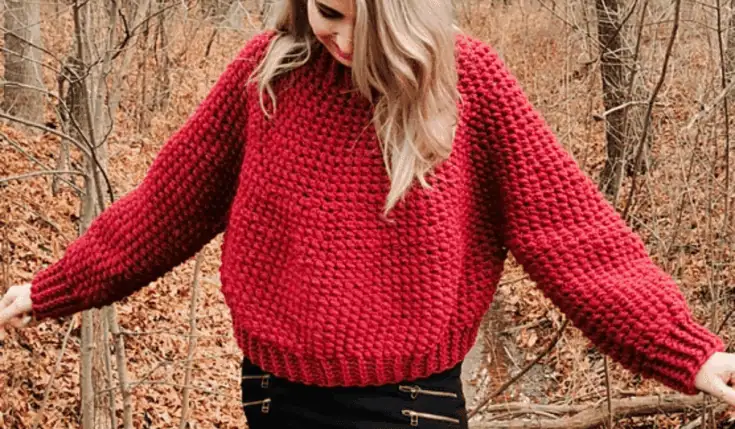
This top-down yoke sweater pairs a substantial, winter-friendly look with ribbed finishing. Its construction lets you see the upper shape develop before moving on to the body and sleeves.
Top-down projects still need careful gauge and fit checks. Follow the pattern’s instructions for yoke depth and underarm placement rather than relying only on how the neckline looks.
16. Chill Time Adult’s Cardigan
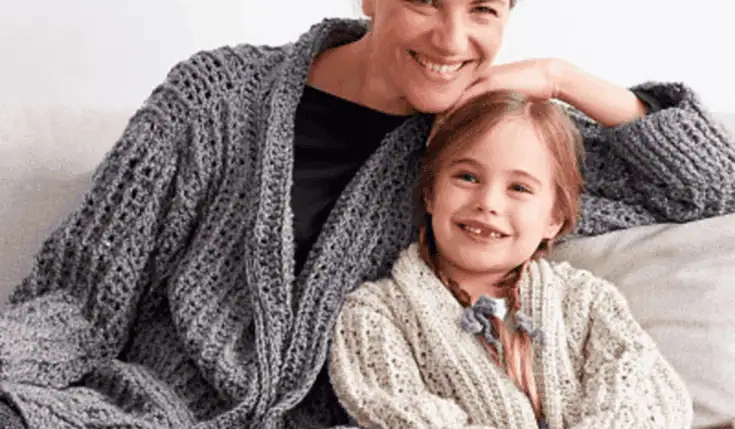
An oversized cardigan can feel relaxed without overwhelming an outfit, especially when the length and sleeve proportions are balanced. This is a useful style to consider for a comfortable layer through cooler months.
Check the size chart and finished measurements to choose your preferred amount of ease. Review the construction and finishing details so the cardigan’s front edges hang evenly.
17. Braided Cardigan Sweater

A braided stitch detail gives this cardigan a more elevated look while the relaxed, drop-shoulder shape keeps it wearable. It is a good fit for a maker who wants texture and an open-front layer in one project.
Study the stitch repeat before beginning and keep a swatch to check how the braid looks in your chosen yarn. Even tension helps the textured columns sit neatly.
18. The Luna Cardigan

This contemporary cardigan is an inviting choice if you want a modern layer with a straightforward, wearable feel. A video or visual tutorial can be especially helpful when you are learning a new garment construction.
Use the pattern’s sizing notes and tutorial together, and pause at the fit checkpoints. A cardigan is easy to style when its shoulder width and sleeve length suit the layers you plan to wear.
19. Granny Square Cardigan

Classic granny squares bring a familiar motif into a cardigan that can be adapted through color choices. Cotton yarn makes sense for a breathable layer, especially when you want a piece for spring or summer.
Make and block a sample square before producing the full set. Consistent motif size makes joining easier, and a planned color sequence keeps the finished garment balanced.
20. Bobbles of Snow Cardigan

Bobble stitches create a raised, tactile surface that gives this cardigan its name and wintery character. It is a rewarding choice for crocheters who want to practice texture and make a layer that stands out.
Texture can affect both gauge and drape. Swatch the bobble repeat, check the finished measurements, and follow the pattern’s instructions for placing the textured sections.
Choose a Design That Fits Your Plans
Decide how you want to wear it
A pullover, long cardigan, pet sweater and sweater dress serve different needs. Think about the layers you wear most often and the season you are making for, then narrow the list to silhouettes you can see yourself using.
Check the skills and finishing work
Cables, bobbles, motifs and garment shaping each add different skills. Read the entire pattern page first, including the assembly and finishing sections, so you know what the project involves.
Plan for fit and yarn behavior
Use the pattern’s finished measurements and make a gauge swatch in the recommended yarn. Long cardigans, dense textures and bulky yarns can change the weight and drape of a garment, so do not substitute without checking the fabric.
Frequently Asked Questions
Are the pattern links free?
These are presented as free pattern resources. Some designers provide the instructions on a blog and sell an optional PDF, while others may ask readers to sign up or download from a pattern platform. Check the linked page for current terms.
What should I check before choosing a size?
Compare your body measurements with the pattern’s finished garment measurements and decide how much ease you prefer. This is especially important for oversized styles, cardigans and sweater dresses.
Can I use a different yarn?
A substitution can work, but compare yarn weight, fiber, yardage and drape. Make a washed swatch and use the original pattern’s sizing guidance to understand how a gauge change could affect the finished fit.
Which patterns are best for a first garment?
Choose a pattern that clearly explains construction, sizing and assembly and uses stitches you already know. A visual tutorial and simple shaping can make a first wearable project easier to follow.
Save Your Favorite for Later
Save a few options and compare the construction before buying yarn. A sweater you feel excited to wear is a better project choice than a design selected from its photograph alone.
Pattern designs and photographs remain the property of their respective creators. This article offers independent project summaries and links readers to the original pattern pages.