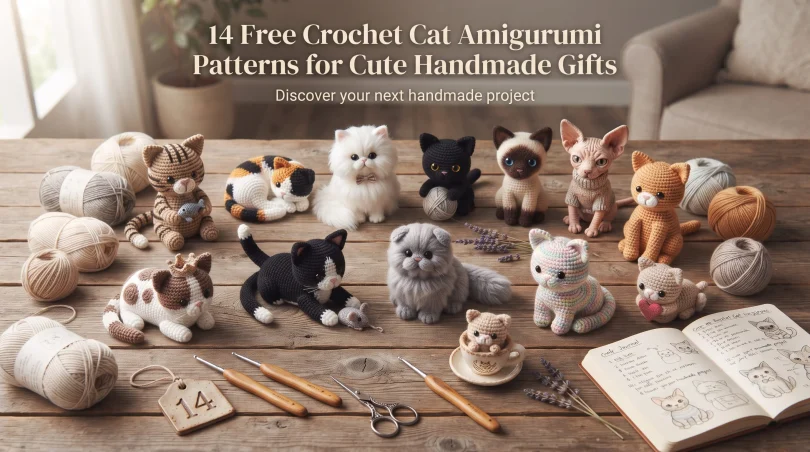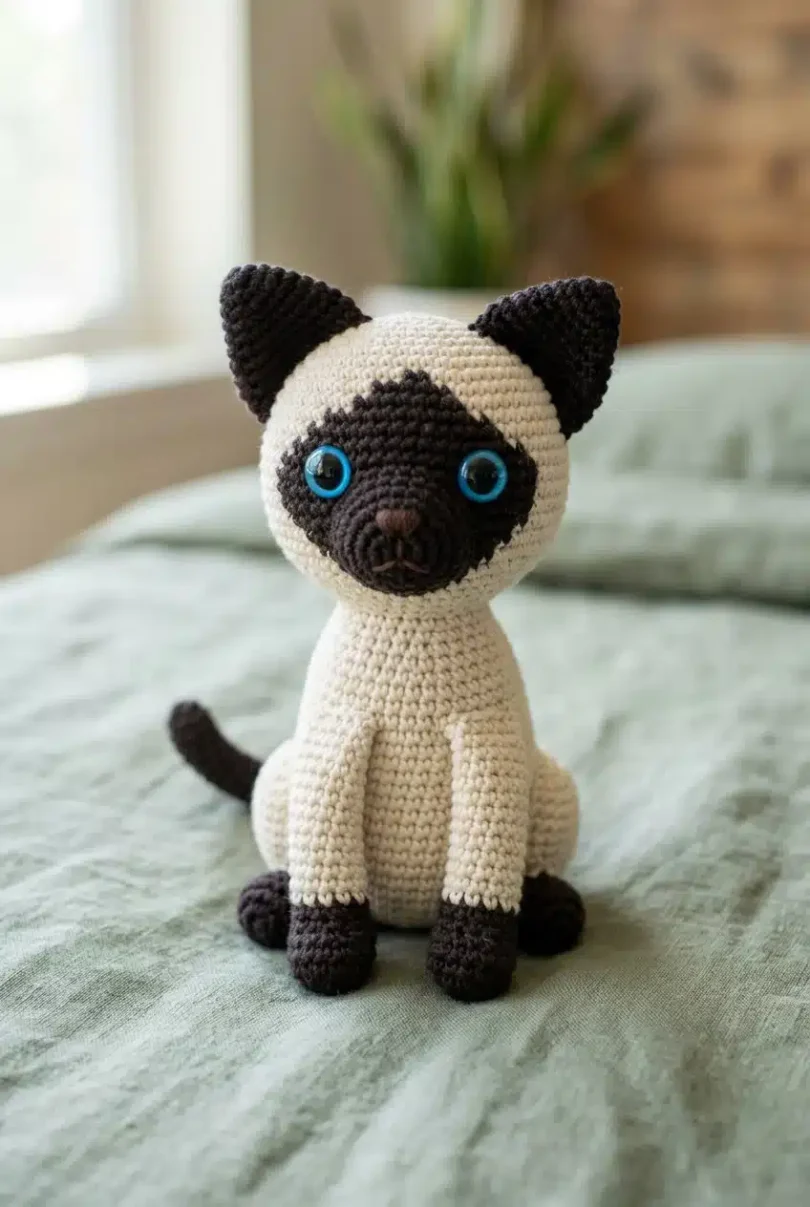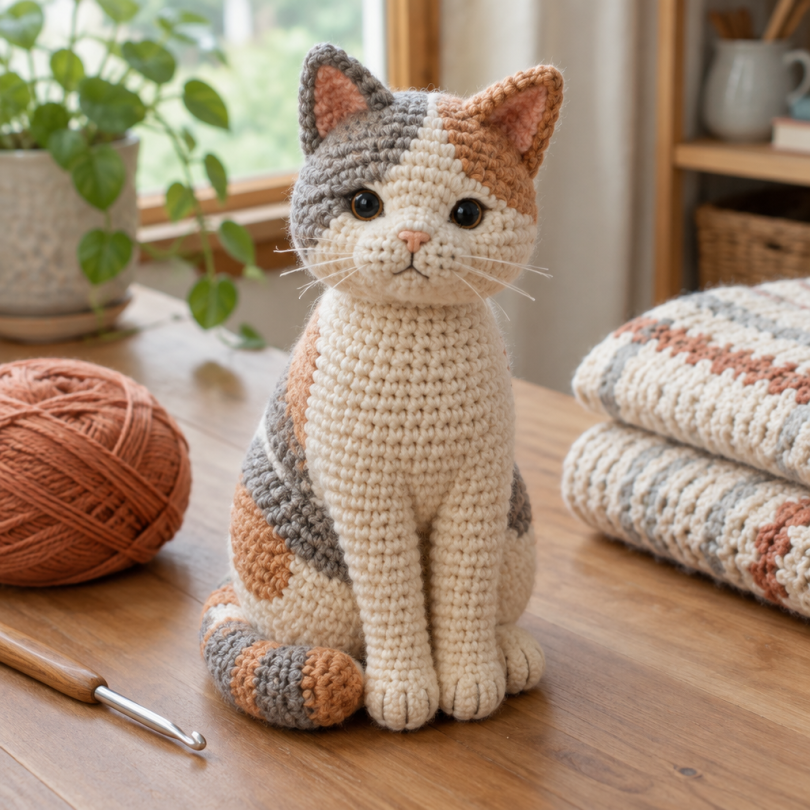
A crocheted cat can have clear feline character without copying every detail of a real animal. The difference often comes down to how the pattern shapes the head and body, places the features, and finishes the seams—not simply which yarn color you choose.
If you’re searching for a simple realistic crochet cat pattern free to access, look beyond the finished photo. A listing may show an appealing cat but leave important questions unanswered about construction, skill requirements, or whether the complete instructions are actually free.
A little comparison before you begin can help you find a project that suits the look you want and the way you prefer to crochet. Use the pattern’s photos and written details together, and check its current access terms before gathering materials.
Quick Answer
A lifelike crochet cat usually comes from balanced proportions, thoughtful shaping, well-placed facial features, and careful finishing that preserves the handmade texture. When comparing patterns, look beyond the cover photo: check construction and assembly instructions, stated materials and gauge, skill requirements, and whether the complete pattern is currently free and available in a format you can use.
Key Takeaways
- A balanced silhouette and recognizable feline proportions can give a crochet cat natural character without aiming for photographic realism.
- Eye spacing, muzzle shape, ear placement, and expression work together, so follow the pattern’s placement guidance instead of relying on a universal layout.
- Clear shaping and assembly instructions help you understand how separate crochet pieces form the finished cat.
- Yarn choice, hook size, stitch tension, stuffing, and seam finishing can change the fabric and final appearance; use the pattern’s materials and gauge guidance as your reference.
- Verify the pattern’s current cost, included instructions, format, and stated skill requirements before you commit to the project.
What Makes a Crochet Cat Look Realistic?
A realistic-looking crochet cat does not need to resemble a photograph. In crochet, “realistic” often means that the piece has a recognizable feline silhouette and a considered expression while still showing the texture and character of handmade stitches.
Start with the overall outline. A head that relates naturally to the body, legs that suit the posture, and a tail that belongs with the design can make the cat feel more animal-like. These details do not have to match every real cat; they simply need to work together rather than make the figure read as a generic round toy.
The face adds another layer of character. Feature size and spacing, the shape of the muzzle, and the direction of the ears can influence whether the cat looks alert, relaxed, or playful. Finishing matters too: tidy joins and an intentional arrangement of features help the design feel cohesive without hiding its crocheted texture.
Look for natural character, not a promise of photographic realism. A pattern may lean toward a soft, stylized look while still using feline proportions and thoughtful shaping. The best fit depends on the style you want to make, so study the full finished example and details rather than judging by the word “realistic” alone.
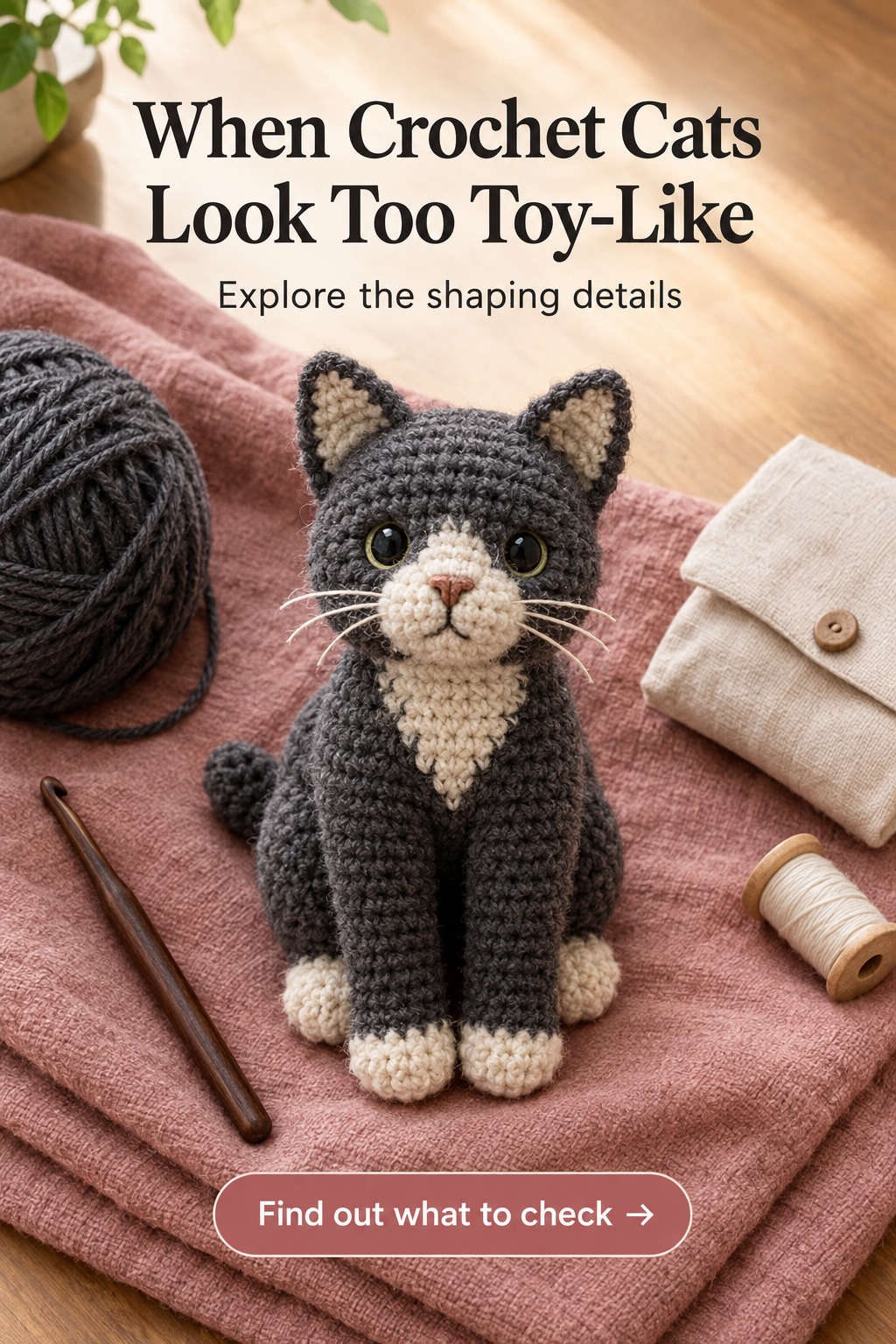
How to Find a Simple Realistic Crochet Cat Pattern Free
Search using terms that describe both the project and the qualities you want, such as “crochet cat amigurumi,” “realistic crochet cat,” or “free crochet cat pattern.” Adding a preference such as written instructions or video tutorial can make results easier to assess. Search wording helps you discover candidates, but it does not confirm that a pattern is free or complete.
Open the original pattern or tutorial listing and check its access terms. Some creators offer complete instructions at no charge on a webpage, while others may provide a free preview and sell the full pattern separately. A listing might also link to a PDF, video, or another resource with its own access conditions. Confirm what is available before you start, and revisit the listing if you saved it earlier because terms can change.
Read the description to see what the resource includes. Look for a materials list, stitch terminology, shaping and assembly instructions, and any notes about the finished project. If a page provides only inspiration or a partial preview, do not assume it contains the full pattern. Where details remain unclear, check the creator’s own listing or instructions rather than relying on a search snippet or reposted image.
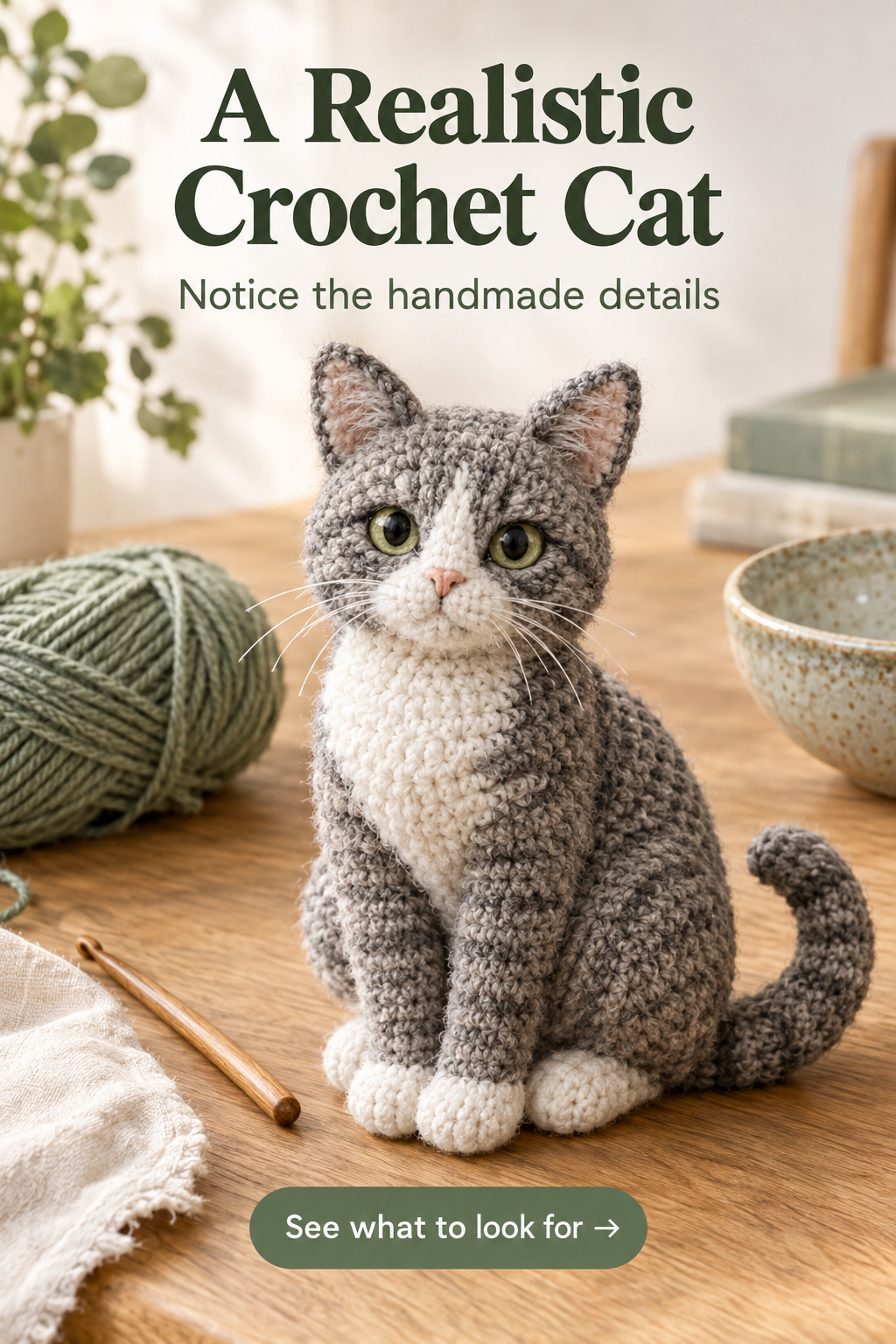
Compare the Cat’s Shape Before Choosing a Pattern
Study the finished examples from more than one angle when available. Consider whether the head appears proportionate to the body, whether the legs support the shown posture, and how the tail connects visually to the rest of the figure. A clear front view can reveal face placement, while side or alternate views may help you understand the body’s shape and stance.
Different silhouettes create different impressions. A large, nearly spherical head and compact body may look deliberately toy-like; a more defined neck, body, or leg shape may suggest a natural feline outline. Neither style is automatically better. The useful question is whether the pattern’s proportions match the character you hope to make.
Also look for consistency between the photo and the pattern description. Does the listing explain whether the cat stands, sits, or rests in a particular pose? Does it show separate limbs or a continuous body shape? These details can affect both the finished form and the work involved. If the example photo is the only source of shape information, treat the design as harder to assess rather than assuming you can reproduce every visible detail.
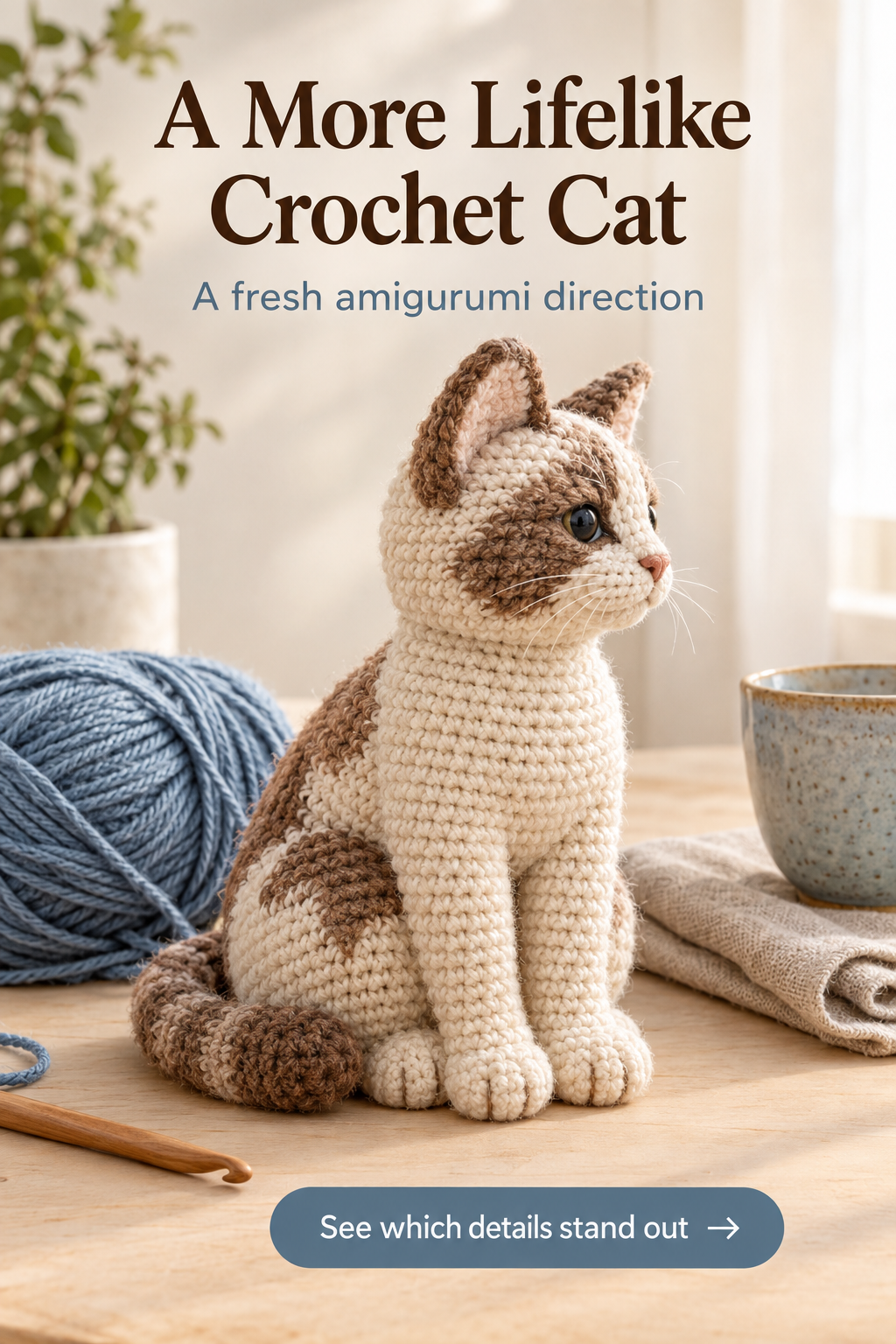
Read the Face Details: Eyes, Muzzle, Ears, and Whiskers
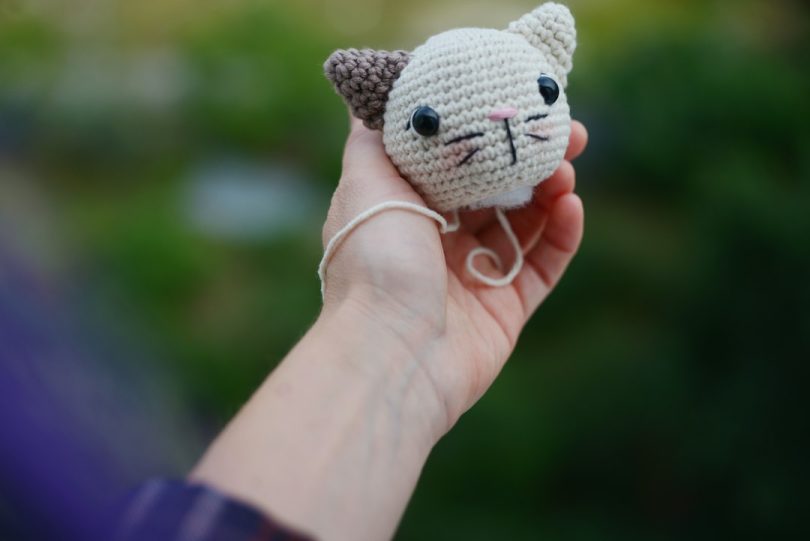
A cat’s expression depends on how facial details relate to one another. Eye size, spacing, and position can shift the overall look, while a muzzle may be embroidered, shaped as a separate piece, or formed as part of the head. The pattern should explain which approach it uses and where to place each feature.
Ears contribute to the outline as well as the expression. Compare their size, shape, and position with the head in the finished example. If the pattern includes shaping or assembly notes for the ears, those instructions can help them sit as intended rather than appearing misplaced or uneven.
Whiskers are optional in many designs and are not the only way to suggest a cat’s face. A clearly shaped muzzle, carefully placed eyes, and defined ears can already establish feline character. If a pattern includes whiskers, check what method it recommends and follow its guidance for the intended project.
Avoid copying feature placement from a different cat pattern or adjusting it before checking the instructions. Even a small change can alter the expression because each design has its own proportions. Use the pattern’s placement notes and finished examples as a coordinated guide, not as separate details to mix at random.
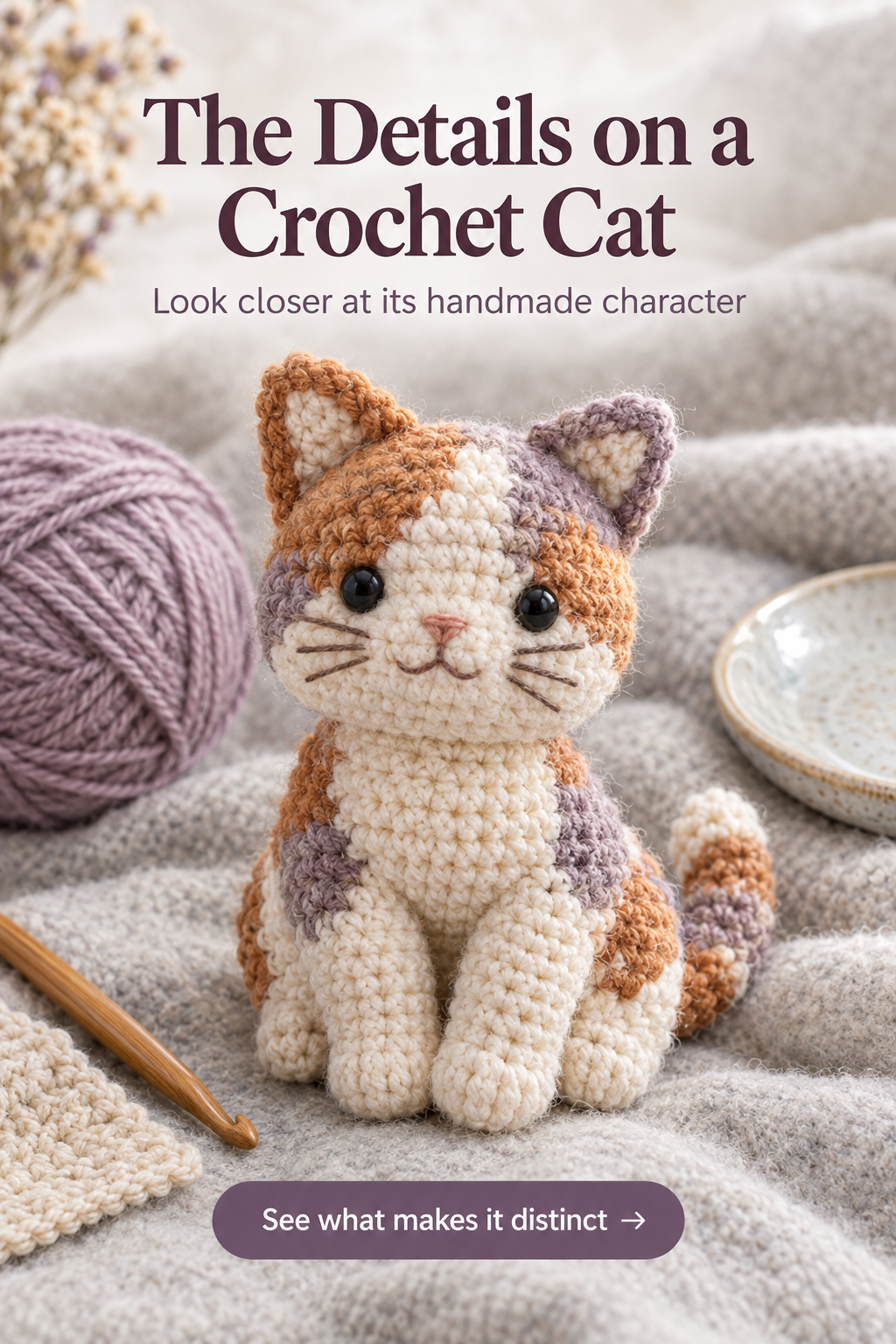
Look for Shaping and Construction Instructions
Amigurumi is crochet worked in a form that creates a stuffed figure, often using rounds. In a cat pattern, increases—stitches that expand a piece—and decreases—stitches that narrow it—may shape the head, body, legs, or tail. Check whether the pattern explains where shaping happens and whether it gives enough information to follow the form as it develops.
Construction can vary. A design may crochet parts separately and join them during assembly, or it may form some areas together. Neither method guarantees a more realistic result, but each affects how you will work and what assembly the project requires. Look for clear notes about which pieces to make, where they attach, and how the pattern expects them to align.
Pay attention to shaping notes as well as stitch instructions. Does the designer identify the beginning of rounds, explain any special techniques, and show how the pieces should look before assembly? A pattern with clear steps can make it easier to understand how the finished silhouette emerges. If the instructions leave major joins or shaping decisions unexplained, you may need to make choices the pattern does not resolve.
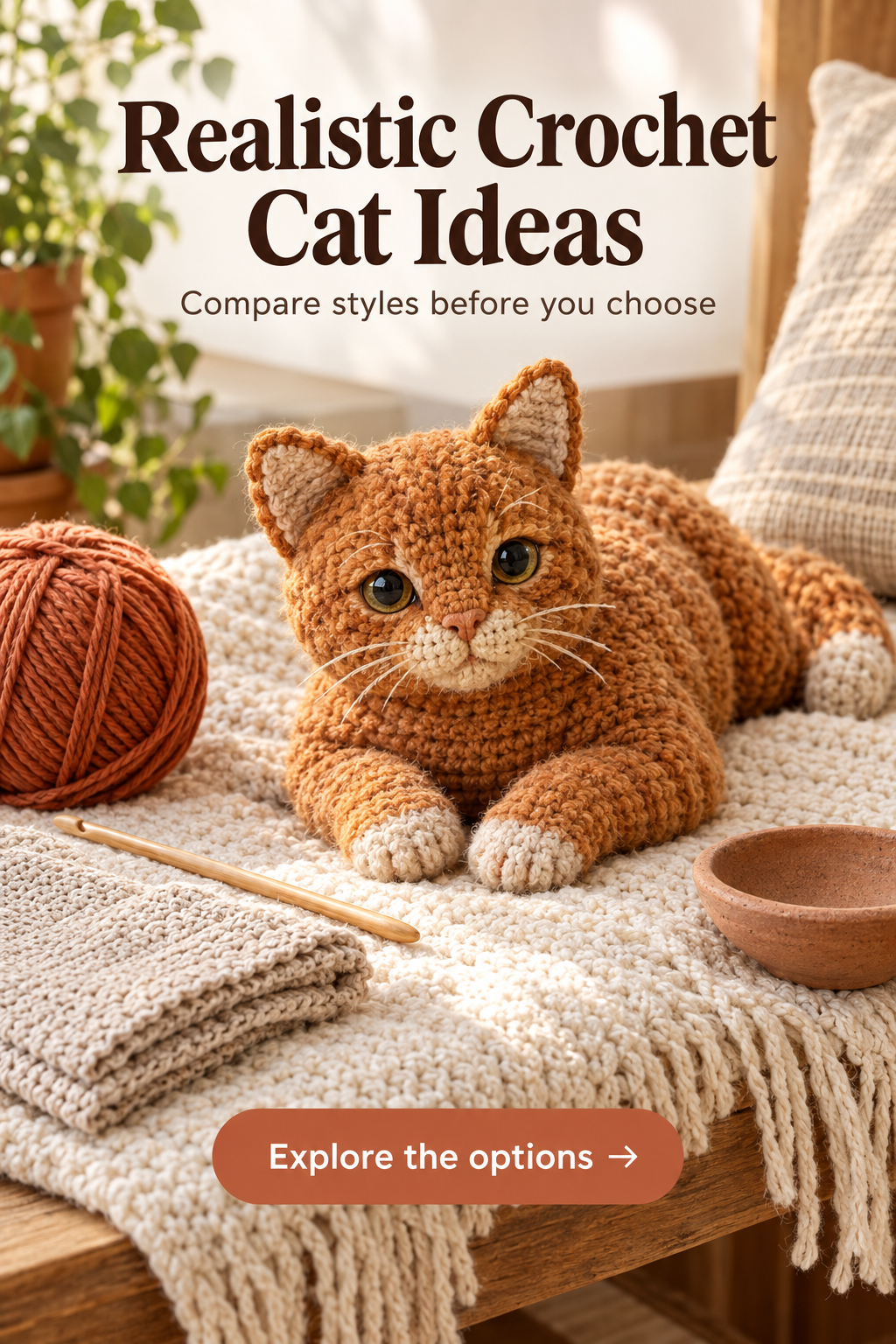
Choose Yarn and Hook with the Pattern in Mind
Yarn texture and weight influence how clearly the stitches show and how the fabric feels. A smooth yarn can make stitch structure easier to see, while a textured yarn may soften the surface or obscure some details. The effect depends on the yarn and design, so compare the pattern’s example with its stated materials rather than assuming a particular fiber or weight will create the same look.
Hook size affects the fabric formed by your stitches. In stuffed crochet, stitch tension—the tightness or looseness of the stitches—also matters because it changes the fabric’s firmness and can influence how the stuffing sits. Changing the yarn or hook may alter the finished size and appearance, even when you follow the same stitch instructions.
Use the pattern’s materials list and gauge guidance as your starting point. Gauge means the number of stitches and rows in a specified area; when a pattern gives gauge, it provides a reference for matching the intended fabric. Do not substitute a hook size or yarn based only on a photo. If you want to make a change, consider how it could affect stitch definition, firmness, and the proportions, and check whether the pattern offers guidance for substitutions.
Understand Skill Level, Techniques, and Pattern Format
A skill label can help you decide whether to explore a pattern, but read the instructions and listed techniques as well. Check which stitches the designer uses, whether the pattern introduces special techniques, and whether you need to crochet in rounds, change colors, shape pieces, or assemble separate parts. A label alone may not tell you how much of that work the project includes.
Look for explanations of stitch terminology and any abbreviations. If you are still learning, clear definitions and step-by-step shaping notes may be more useful than a broad skill-level label. Also consider how comfortable you are with finishing tasks such as attaching ears or limbs and positioning facial features, since these can affect the final appearance.
Confirm the format and access conditions before choosing. A pattern may be written on a webpage, offered as a PDF, presented as a video, or provided through another resource. Think about whether you prefer to follow text, watch demonstrations, or use a document while crocheting. Check that the complete instructions are available in that format and verify whether access is free, paid, or limited before beginning.
Finishing Choices for a More Natural Handmade Cat
Finishing connects the separate decisions in a pattern. If the design uses stuffing, follow its guidance and distribute the filling carefully so the pieces hold their intended form. Too much or uneven stuffing can change the outline; too little may leave a shape less defined. The right approach depends on the pattern’s construction and the look it aims to create.
Check seam alignment before securing joins. Compare the pieces with the pattern’s assembly notes and finished example, paying attention to how the head, limbs, and tail sit together. A well-placed join helps the silhouette look intentional, while a shifted piece can change the posture or balance of the figure.
Secure feature placement and finish loose ends according to the instructions. If the pattern specifies embroidered details or a particular attachment method, use that guidance rather than improvising before considering how the change affects the face. The intended use matters too: a decorative piece and a cat made for regular handling may call for different finishing considerations. Follow the pattern and any relevant yarn or component guidance for the project’s intended use.
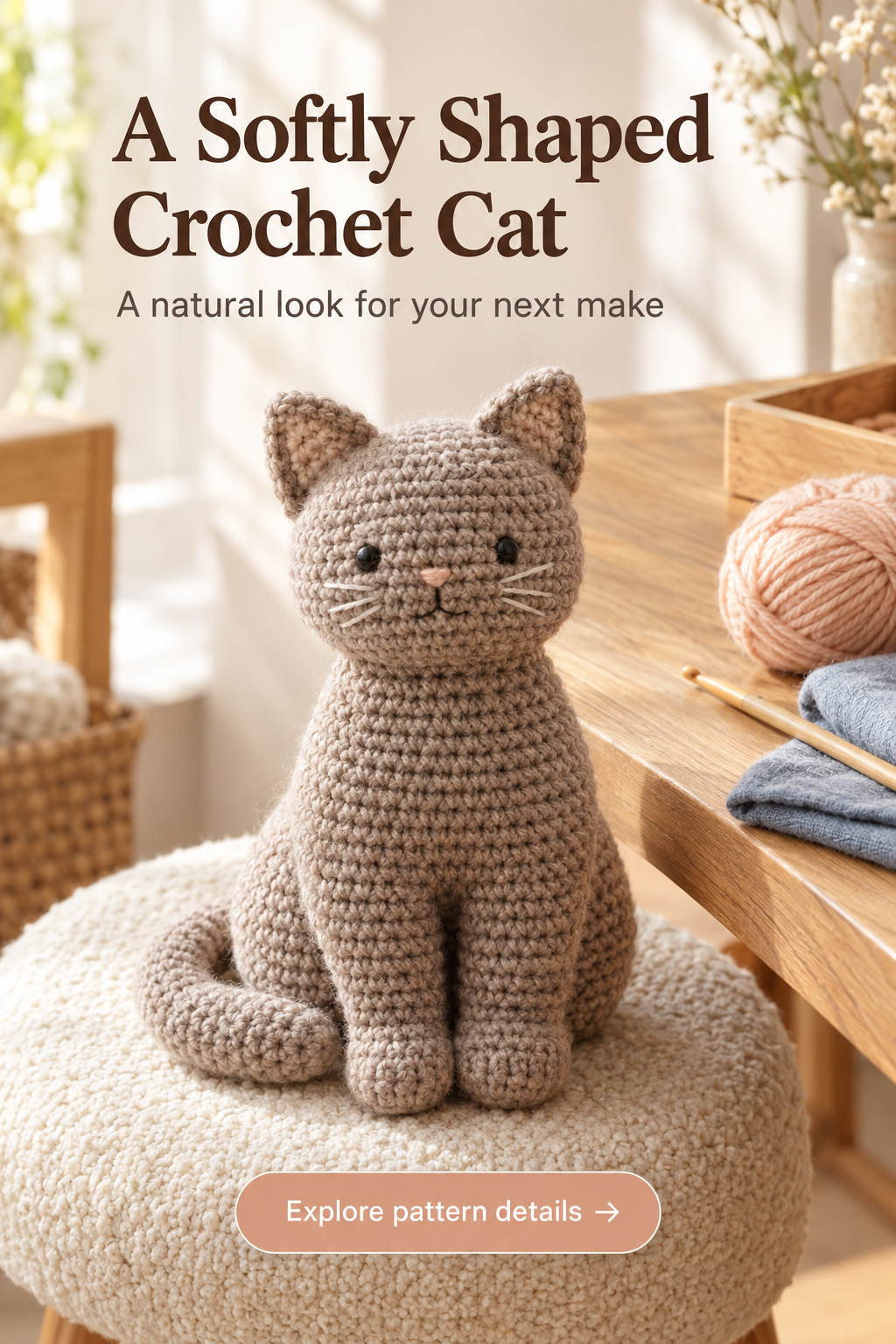
Compare Patterns Before You Commit
Before choosing, compare the pattern’s evidence rather than relying on a single appealing photo. Note the silhouette shown, the facial construction, and whether the listing explains the shaping and assembly. Then check the materials, skill requirements, format, and current access terms. This makes it easier to distinguish a style you like from a pattern you can confidently follow.
The table below offers a practical way to compare different pattern listings. These are evaluation approaches, not claims about specific patterns: use the listing’s own description, instructions, and access information to fill in the details. If a feature is not shown or explained, record it as unknown and decide whether you are comfortable proceeding.
| Comparison point | What to check in the pattern | How it helps you choose |
|---|---|---|
| Silhouette | Head, body, legs, tail, and shown posture | Shows whether the cat’s outline matches the style you want |
| Face details | Eye placement, muzzle method, ears, and optional whiskers | Helps you assess the expression and the guidance provided |
| Construction | Shaping instructions, separate pieces, joins, and assembly notes | Reveals how the form is built and what finishing it requires |
| Materials and skill | Stated yarn, hook, gauge guidance, stitches, and techniques | Helps you judge whether the materials and methods suit your experience |
| Format and access | Written page, PDF, video, or other resource; current cost and included content | Confirms what you can follow and whether the complete pattern is accessible on the stated terms |
A useful final check is to ask whether the pattern explains enough for you to recreate the parts that matter most: the outline, the face, and the joins. A design may still suit you if some details are not shown, but make that choice with a clear understanding of what you will need to work out yourself.
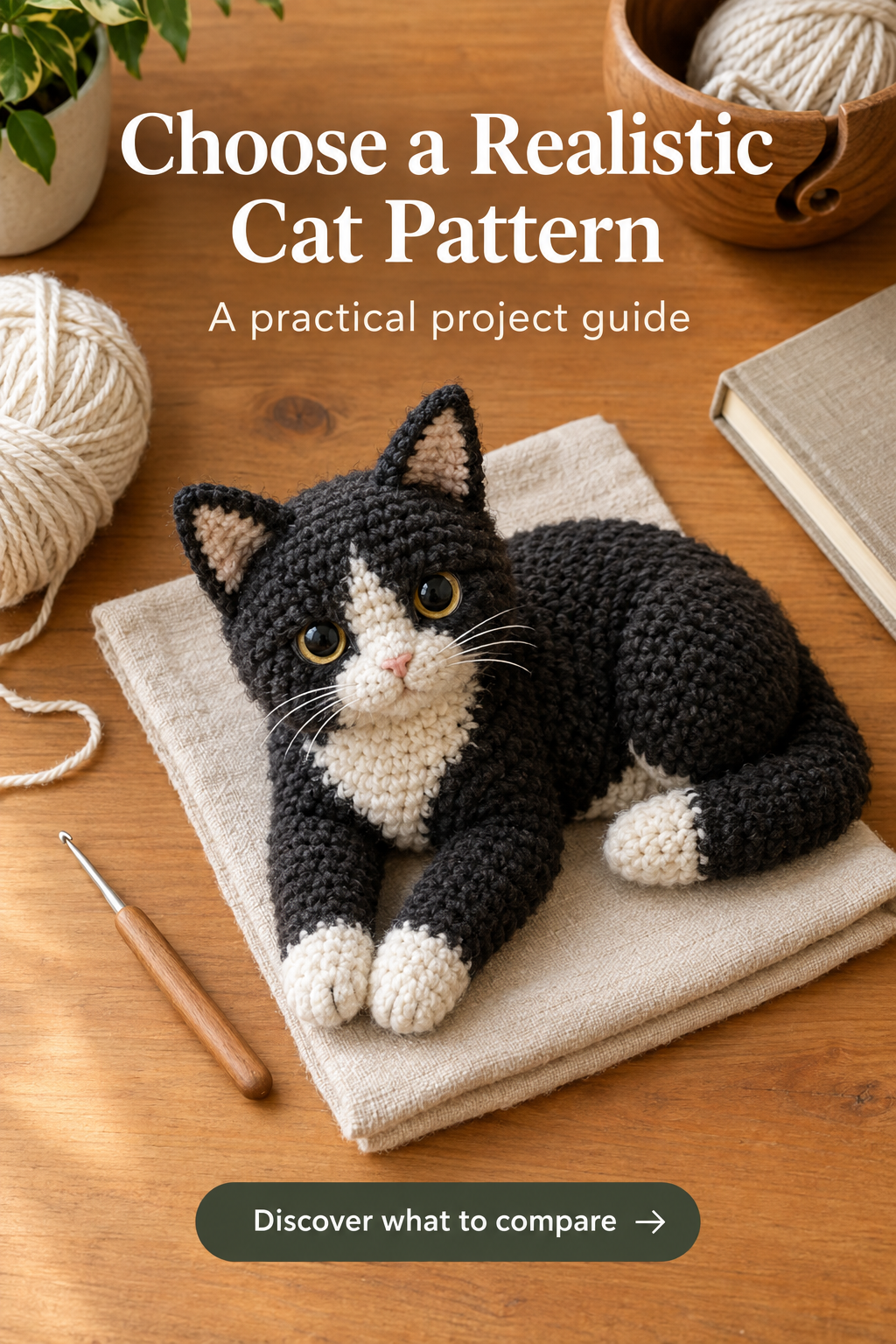
Common Mistakes
- Choosing from a finished photo without checking construction details: A polished example cannot tell you whether the limbs are separate, how the head is shaped, or how the pieces attach. Read the pattern description and assembly notes so you know what the project involves.
- Assuming a pattern is free without verifying its current access terms: A search result or preview may not include the complete instructions. Check the original listing for what is included and whether the full pattern is currently free, paid, or available under other conditions.
- Changing yarn or hook without considering gauge and fabric guidance: A substitution can change stitch definition, fabric firmness, and proportions. Compare your choice with the pattern’s stated materials and gauge rather than expecting the pictured result to remain unchanged.
- Placing facial features without checking the pattern’s proportions: Moving eyes or the muzzle can change the expression and balance of the face. Follow the placement notes and compare the features with the pattern’s own example before securing them.
- Overlooking assembly and finishing requirements before starting: Separate ears, limbs, or other pieces may need careful joining after crocheting. Check the full instructions first so you can plan for the construction and finishing the design requires.
Conclusion
A more lifelike handmade cat comes from decisions that work together: the silhouette, the face, the construction, and the finish. Choose a pattern whose examples appeal to you and whose instructions explain how to create those details, then verify the materials, format, skill demands, and access terms before you begin.
Save a promising pattern while you compare options, and take a moment to note what you like about its shape and expression. That small step can make your next crochet cat choice feel much more deliberate.
Frequently Asked Questions
Can a crochet cat pattern look realistic without adding whiskers?
Yes. Whiskers are optional, and a cat can still have recognizable character through its silhouette, ears, muzzle, and carefully positioned eyes. Follow the pattern’s design rather than adding whiskers simply because the subject is a cat.
How can I tell whether a free crochet pattern page includes complete instructions?
Check whether the page provides the full materials list, stitch directions, shaping details, and assembly guidance rather than a preview or project summary. If the listing is unclear, consult the creator’s original access information before treating the instructions as complete or free.
Can I use safety eyes if a crochet cat pattern shows embroidered eyes?
Changing embroidered eyes to safety eyes can affect the appearance and construction, so first check whether the pattern discusses alternatives and whether the placement will work with its fabric and shaping. Consider the intended use of the finished cat and follow the component guidance; do not assume the substitution suits every project.
How should I care for a finished crochet cat?
Care depends on the yarn, stuffing, and any attached components, so check the yarn label and the pattern’s care guidance before washing or spot-cleaning. Avoid assuming that every crocheted cat can go in a washing machine, and let the piece dry in a way that helps it retain its shape.
Can I adapt a realistic cat pattern to make a different-sized cat?
You can explore size changes, but changing yarn weight or hook size may also alter the fabric, stitch definition, and proportions. Review the pattern’s gauge guidance and consider making a small test before committing; changing stitch counts or shaping can require broader adjustments to the instructions.